

The seller had told Mat Armstrong that Capri’s engines overheated after a storm, with a repair estimate that would make an experienced buyer wince, let alone a first-time motor yacht buyer. Then Mat and his team worked through the cooling system and found a closed seawater valve. They reassembled the strainer, opened the valve, and Mat reported a cooler run of about 90 minutes….
He was careful not to call her fixed: 90 minutes can’t show how two big MTU diesels behave over hours under load in big sea states. Getting a motor yacht running when you bought her without knowing what was wrong is one bill; keeping a 1991 22m wooden yacht is another. Meet M/Y ‘Capri’
Capri is a 1991 Cantieri Navali Liguri Ghibli 22, and Mat’s video about buying her had more than 31 million views by 3 October 2026.
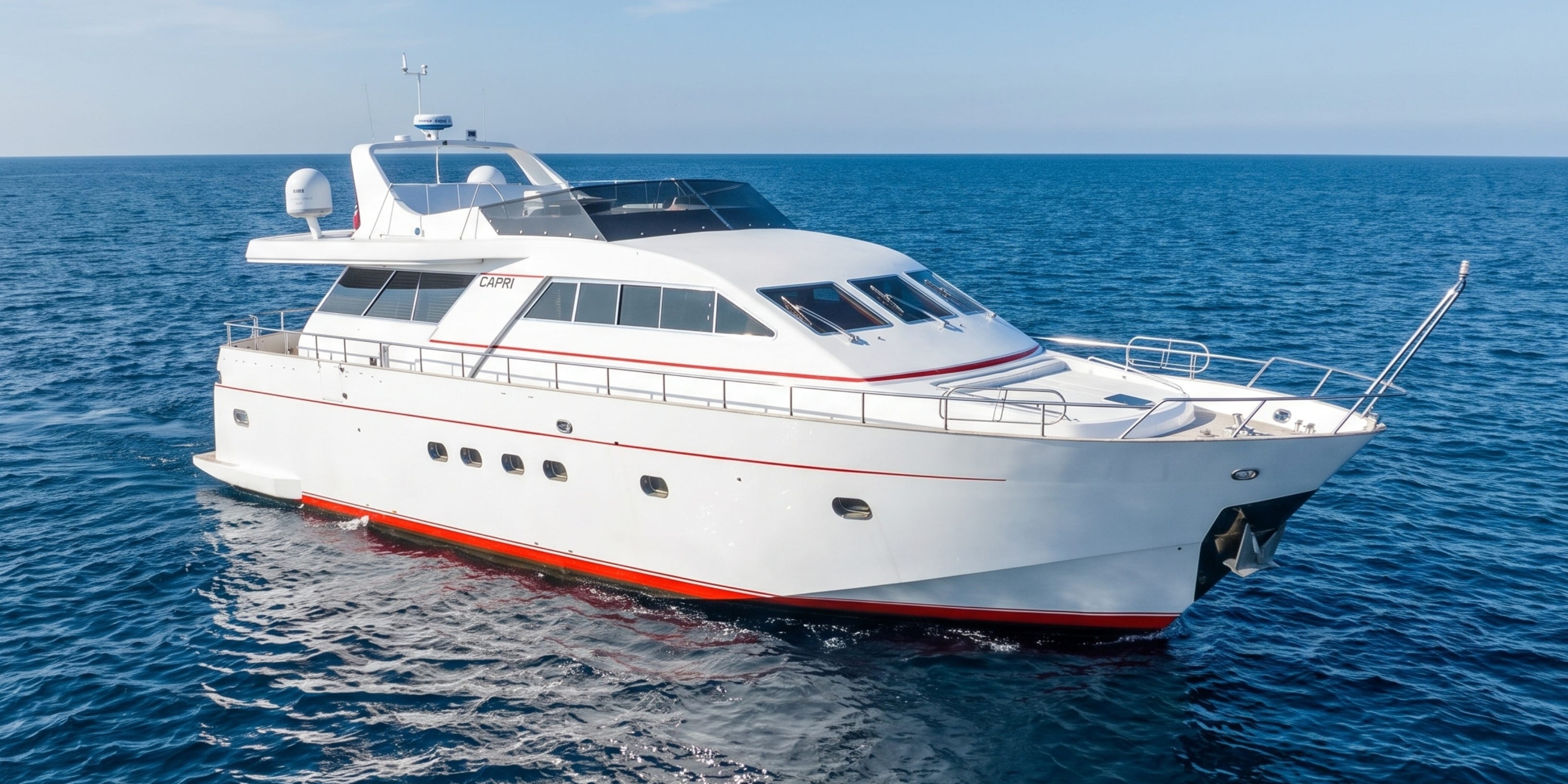
Her fullest description comes from an earlier, now-sold De Valk listing: she is 21.95m long, has a 5.48m beam, 1.40m draft and 48t, with a wooden hull, deck and superstructure and a teak deck. Twin 1,000hp MTU 12V 183 TE 92 diesels drive through shafts, with a listed 15kn (17.3 MPH) cruise and 30kn (34.5 MPH) top speed.
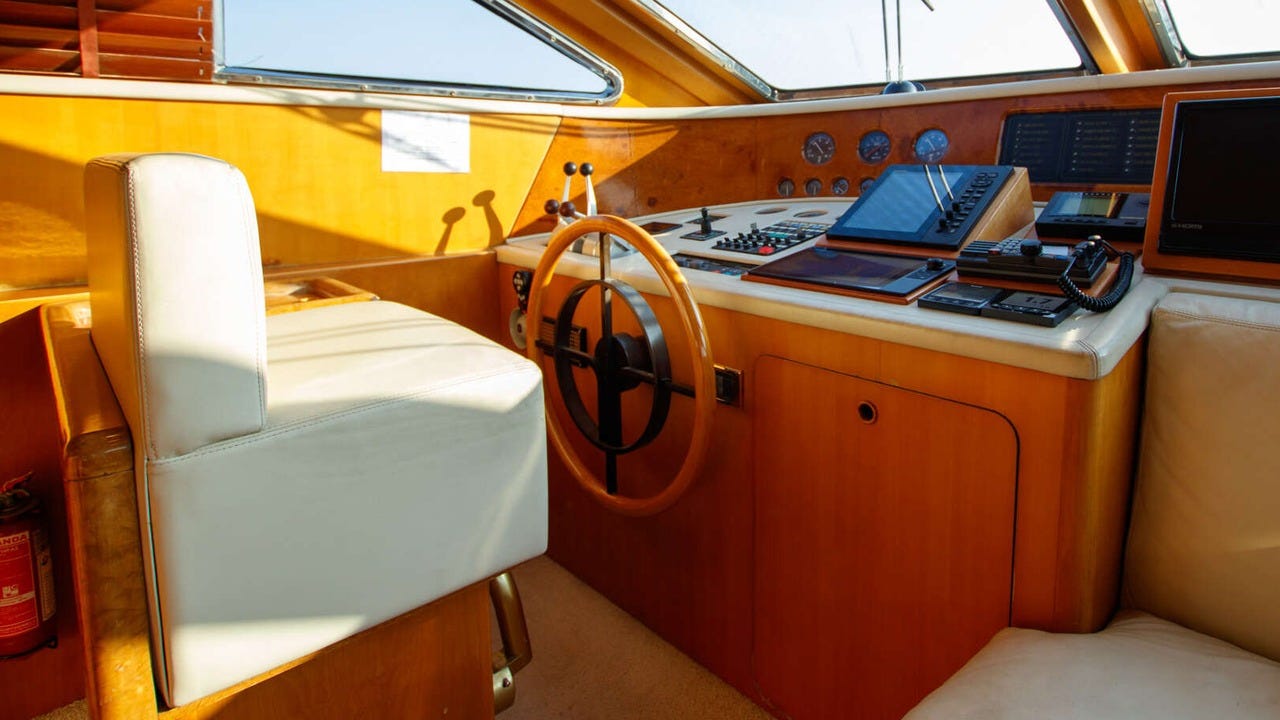
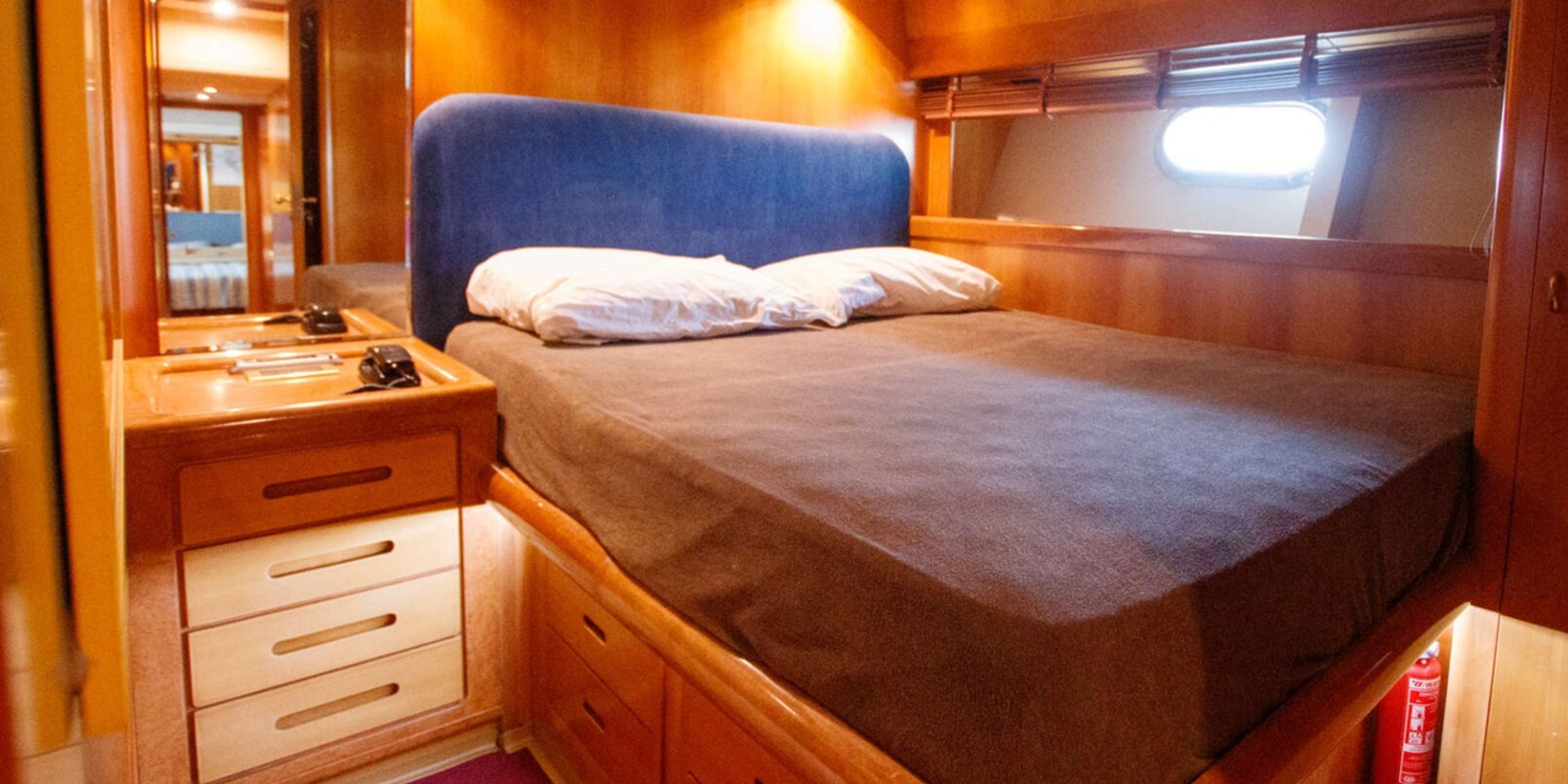
She’s long and low, with the classic 1990s angular enclosed wheelhouse, a flybridge under a radar arch, red trim and waterline, and a broad foredeck. Teak runs along the side decks and helm areas, and below it’s warm mahogany.
Her sheer line is beautifully simple, and although she doesn't have much bow flare, she has a significant spray rail that helps keep the vessel's wetted area to a minimum.
The layout is built for company: four guest cabins with eight berths, four bathrooms, 1.95m saloon headroom and a separate two-berth crew cabin. Add the air conditioning, cabin floor heating, two generators and an induction cooker and combi oven, and it’s easy to picture two families sharing a summer along the coast.
Where the Ghibli came from
After doing some research, I found that Tuxedo Yachting House’s family history says Aldo Ceccarelli acquired a yard at Riva Trigoso in 1962, and that in the 1970s the shipyard and designer Aldo Caliari created the Ghibli brand. The family also acquired Cantieri Navali Lavagna in 1980 and built an aluminium Admiral 22 in 1982, a different yard and boat; Capri is a wooden Ghibli. No credible production figure for the 22 turned up, but I found one sister ship that is for sale today.
A bargain on paper…?
In his video, Mat says Capri would have cost €1.7m new, which, according to the original paperwork handed over, it did, and that he found a previous auction at around £500,000, 3 years earlier. We don’t know what Mat paid for the boat. But, as any owner will tell you, the longer the LOA, the bigger the bills.
One marina Mat looked at quoted €1,295 a month, with a 20m maximum. Capri is 21.95m, and those extra 1.95m turn a tempting relocation into no marina berth at all. Of course, you could drop the hook just off the coast and pay no marina fees at all, but when you are working on a project boat, that is not really an option.
So, for the time being, Mat is staying put, which is probably no bad thing when, from what I can tell, he bought her without a sea trial or his own survey, relying on the seller’s earlier one. That is not as rare as you might think!
But that is one reason I have a huge amount of respect for Mat. Anyone who has purchased a boat around the 22 metre mark will tell you how long the checklist is when looking at a new boat. There are usually weeks, if not months, of back-and-forth communication between the seller and the buyer, most of the time with a broker or buyer’s rep involved.
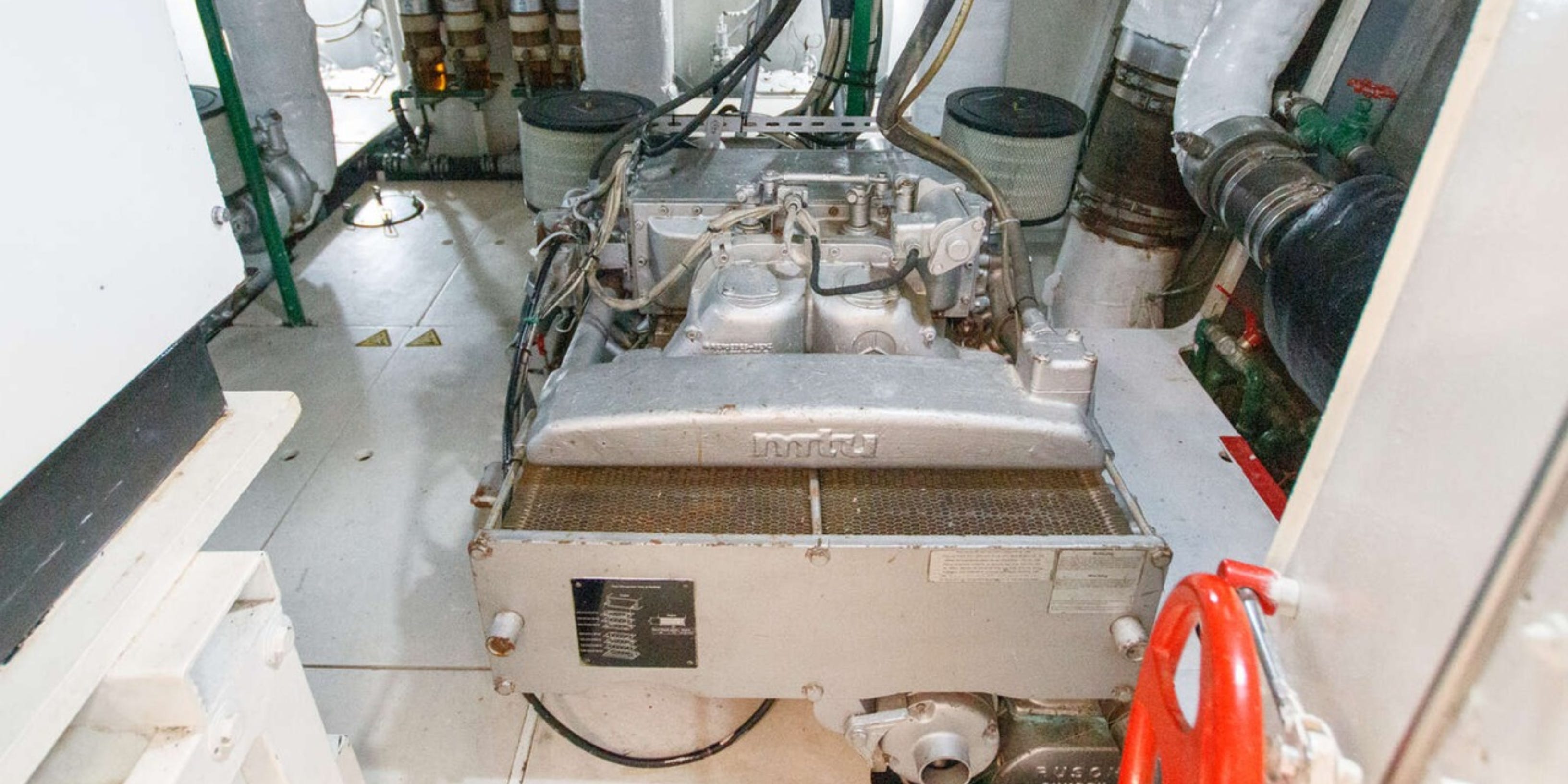
So, the sea trial and survey are just two components of what is usually a very long and often expensive process. For example, a buyer will typically want to check the full service history of all major machinery, including the engines, generators, start and service batteries, and trim tabs.
It is also common practice, especially with a wooden hull, to put the boat on the hard and have a professional surveyor inspect the hull. During my stint in the RNLI (the UK’s search and rescue service that is crewed by volunteers), my former oppos and I would often get called to a boat in distress that had been taken out for the first time by someone who had just acquired the vessel but did not go through the survey process.
And, of course, the sea doesn't care if you are in a bit of a situation after just buying a boat. It is unforgiving and often takes no prisoners.
It is also always a good idea to have the tanks inspected, especially on a boat of this vintage with steel fuel tanks. The last spec sheet I found lists the watermaker as defective, so unless it’s been repaired since, it will need a thorough service at least, and quite possibly replacement.
She has enough capacity for 2,000 litres of fresh water, but if you work on the basis that, with 8 people on board, each person uses 50 litres of fresh water per day, then you are looking at around 5 days at sea before you would need to come back alongside and fill up the freshwater tanks (without a watermaker).
The thing is, people buy ‘project boats’ all the time and then flip them into something that matches their own taste. But this is the first time I have heard of someone new to yachting acquiring a project boat without going through the usual steps, which is one of the many reasons I think Mat has notched up 31 million views; people new to motor yachting don’t normally start out like this! And this makes the story, from a boating perspective, even more interesting.
The useful question is what a yacht like Capri costs to keep: a berth that fits, regular lift-outs, a wooden hull and two steel fuel tanks that, if original, are as old as she is.
This article continues below, in “The Wardroom”. A quick thank you to everyone in The Wardroom: your support keeps Yacht Buoy advert-free and independent, and lets me keep writing about and filming boats like Capri.
In the premium section below, I cover:
- Keeping a wooden hull and the benefits of wood over steel, aluminium and GRP
- A 2026 annual berth for a 22m yacht in Cádiz plus one priced lift-out, with the berth-holder discount, VAT and exclusions
- An indicative 5-year haul-out, antifouling and survey scenario for a wooden hull, and how wood differs from GRP, steel and aluminium
- What 1991 steel fuel tanks need checking, from water and diesel bug to corrosion, and what replacement involves
- My honest assessment of Capri against a live, refitted Ghibli 22, and why no profit or resale figure is possible yet
- Why the boat does not have a CE Category and what conditions I would be happy to take her out in, from a former Royal Navy Sailor and former RNLI crew’s perspective, of course!
