

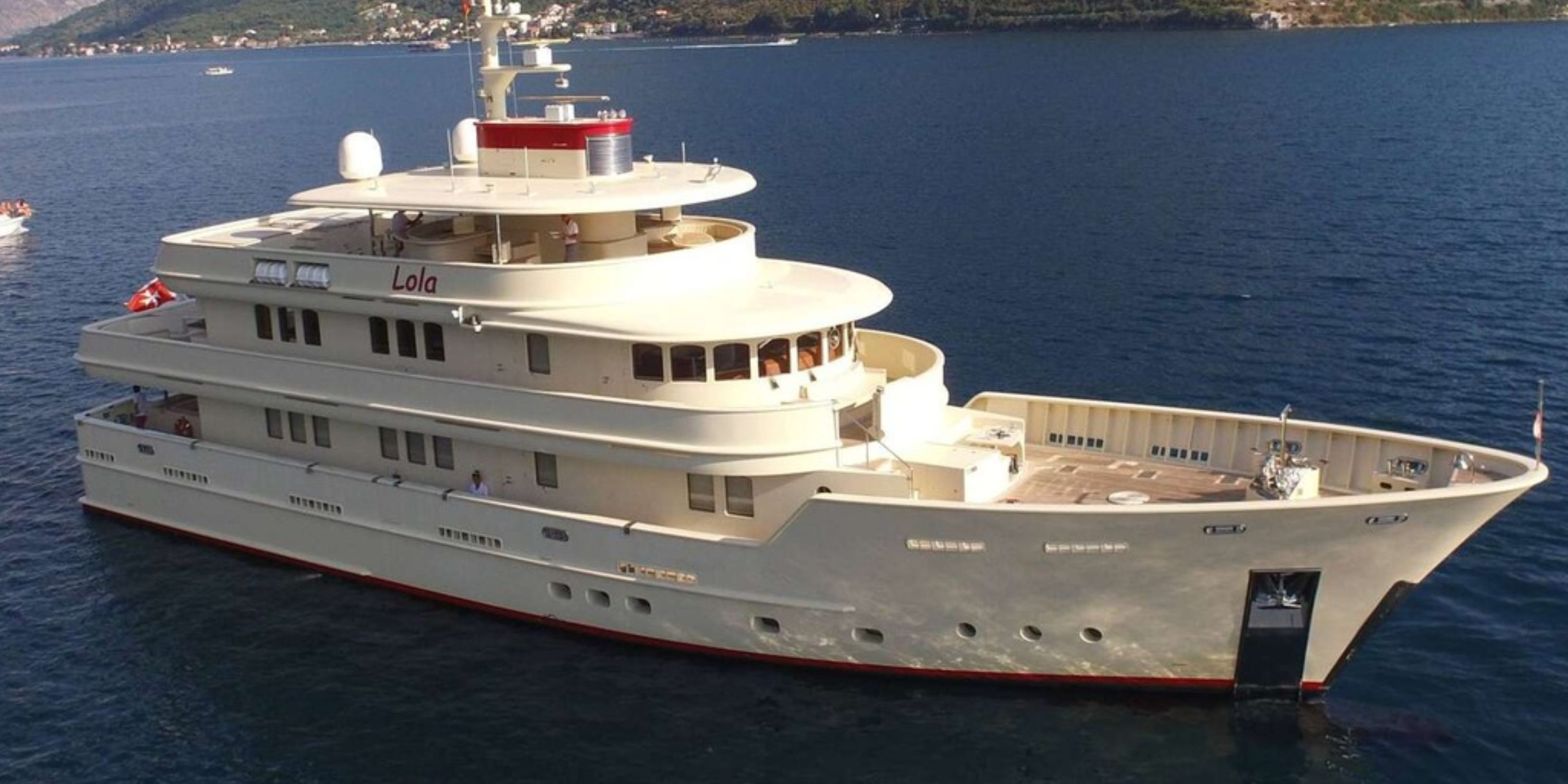
A broker from De Valk (Palma) got in touch recently to highlight this extremely capable steel explorer yacht, and I am glad they did. The Peer Gynt 36m Explorer is not a name that comes up every day. Peer Gynt Yachts is a small Turkish shipyard based in Antalya, not a household name in the way that Heesen or Feadship are. But when I looked more closely at this build, I found something interesting.
The naval architecture is by Van Oossanen, one of the most respected firms in the business, and the engineering choices on this vessel are genuinely intriguing. She is currently asking €8,900,000 VAT paid; she is lying in Palma, and she is listed with De Valk (link below)
First, let me tell you what I found.
A Name Worth Knowing: Van Oossanen
Before we get into the vessel herself, I want to say a word about the people who designed her.
Van Oossanen Naval Architects, formerly Van Oossanen & Associates, is a Dutch naval architecture and hydrodynamic research firm based in Wageningen, the Netherlands. They are not a household name among recreational boaters, but in the commercial and expedition yacht world, they are highly regarded.
Their work spans everything from offshore racing yachts to research vessels to high-performance powerboats, and they have a reputation for understanding how hulls move through water at displacement and semi-displacement speeds.
They are also the firm behind the Hull Vane, a patented underwater appendage fitted to the stern of displacement vessels to reduce wave-making resistance and fuel consumption.
The principle is elegant: at displacement speeds, a significant portion of a vessel's engine power is wasted not on moving through the water, but on dragging a wave along with her.
The bow pushes water aside and creates a wave pattern that runs down the hull; if nothing intercepts it, that wave crashes off the stern, and all the energy that created it is simply lost. The Hull Vane sits submerged just aft of the transom, angled to intercept that departing wave and convert its energy into forward thrust. It is essentially recovering power that would otherwise be thrown away.
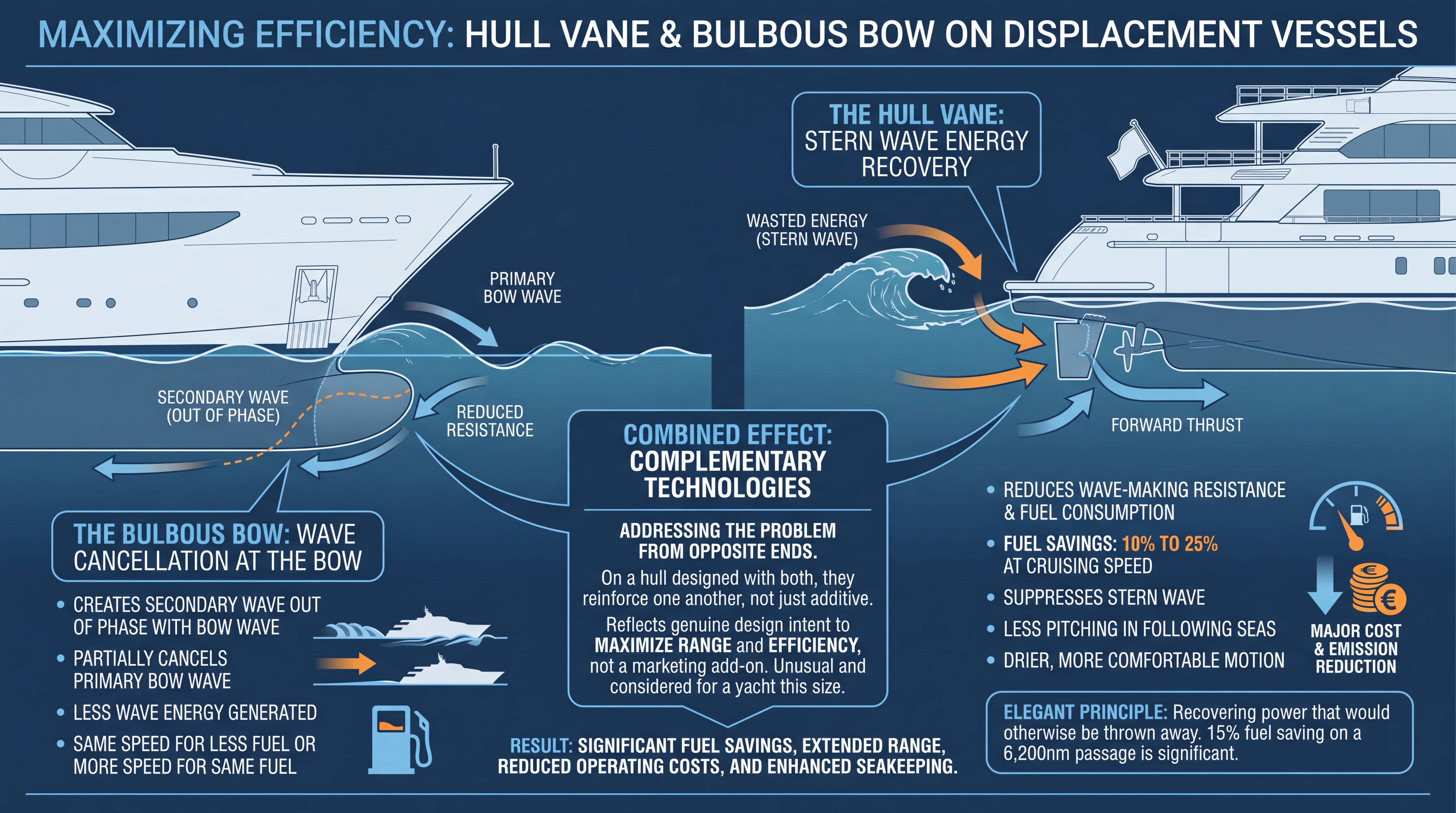
The practical results are well documented by Van Oossanen. On a typical displacement hull at cruising speed, the Hull Vane reduces fuel consumption by 10% to 20%, and on some vessels approaching 25%. It also suppresses the stern wave, which means less pitching in following seas and a drier, more comfortable motion at sea. On a vessel like this one, designed to run long ocean passages at 10 knots, both effects matter considerably. A 15% fuel saving over a 6,200-nautical-mile range passage is not a marginal gain. It is several thousand euros per crossing and, cumulatively, a meaningful reduction in the cost of actually using the vessel.
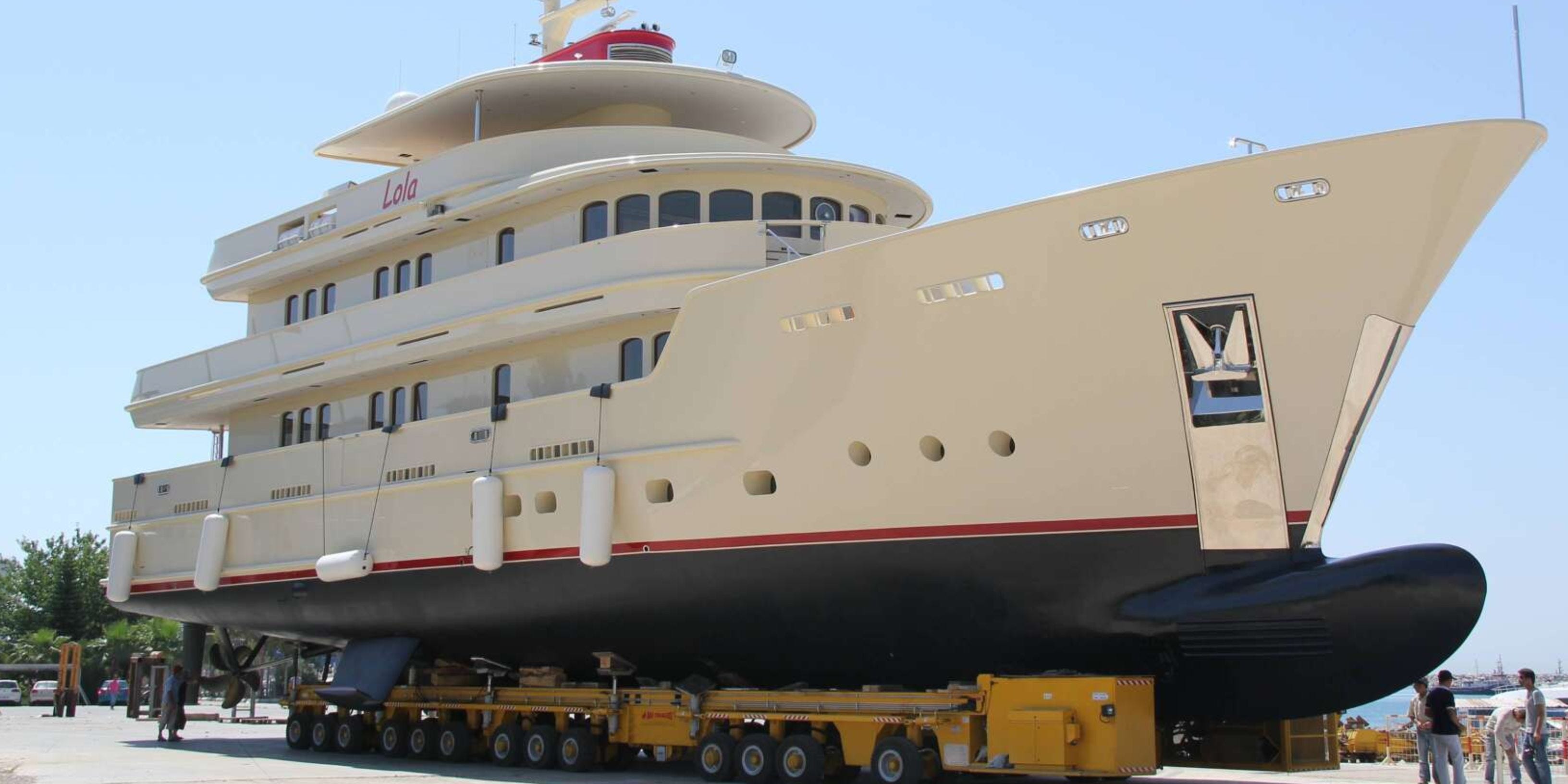
The bulb bow works in complement. Where the Hull Vane recovers energy at the stern, the bulbous bow creates a secondary wave at the bow that is precisely out of phase with the primary bow wave, causing the two to partially cancel each other out. Less wave energy generated at the bow means less resistance, and less resistance means the same speed for less fuel, or more speed for the same fuel. The two technologies address the problem from opposite ends of the vessel, and on a hull designed with both in mind from the outset, they reinforce one another rather than simply being additive.
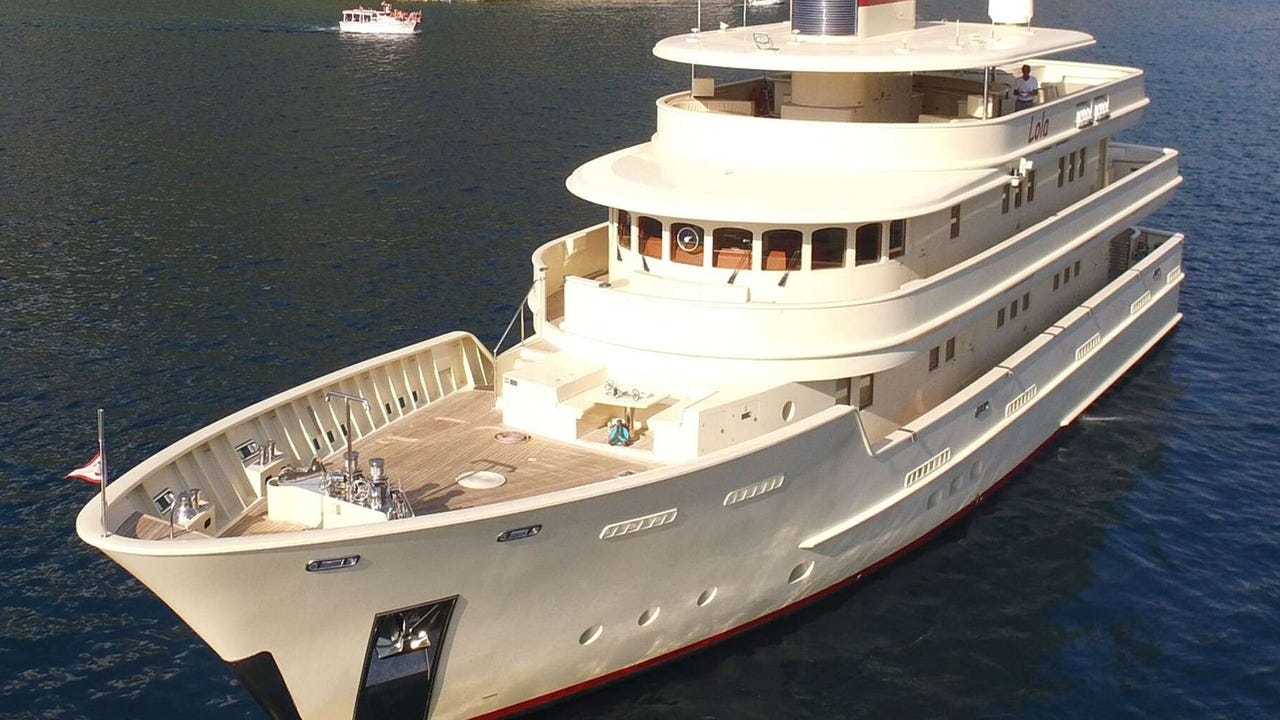
The vane itself looks a little like a small underwater wing sitting at the transom, and at displacement speeds, it makes a measurable difference. This explorer carries both features, which is an unusual and considered combination for a yacht of this size. It reflects a genuine design intent to maximise range and efficiency
That alone tells you something about how this vessel was conceived.
The Build: Turkey, 2012
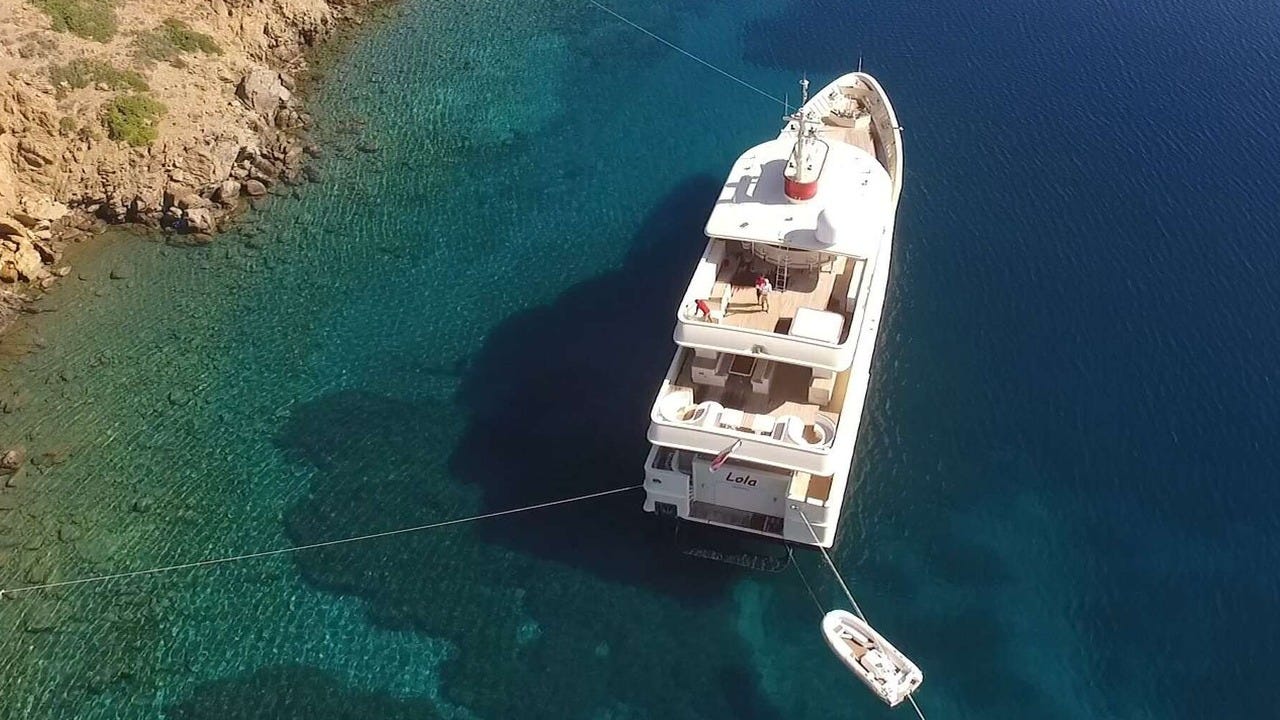
Peer Gynt Yachts built her at their Antalya shipyard in 2012, delivering her to a German owner. She measures 36 metres LOA on a beam of 8.4 metres, with a draught of 2.85 metres. Displacement is 350 tonnes and gross tonnage is 341, which is substantial for her waterline length, which is what you want in a bluewater, long range explorer yacht. Her hull is steel. Her superstructure is composite with carbon fibre reinforcement, which keeps weight atop to a minimum and stiffens the structure without the maintenance burden of an all-steel house.
She was repainted in winter 2018/19 with AWL Grip, so her exterior finish is now around 7 years old. That is worth noting for a survey, but AWL Grip is a durable two-part polyurethane coating. It holds up well in the harsh (by UK standards) Mediterranean climate and does not demand the same maintenance cycle as a softer topside paint.
The fuel tankage is significant: 56,400 litres, fitted with an Alfa Laval MIB 303 fuel cleaning system. That is a proper offshore fuel capacity, not a coastal cruising number. With twin Yanmar 6AYM-WET diesels running at 10 knots cruise, the spec sheet quotes a range of 6,200 nautical miles. At 90 litres per hour combined fuel burn at cruise, the maths tracks closely enough to take seriously.
Freshwater runs to 10,000 litres, served by two Idromar watermakers at 130 litres per hour each. Wastewater is handled by a Selmar Blue Sea 3500 treatment system, not just a holding tank, but a proper treatment plant, which matters if you are running in environmentally sensitive waters. Blackwater compliance is something buyers in the expedition market increasingly need to think about.
Got a boat?
Know of a vessel, for sale, charter, or otherwise, that you would like me to feature in a future dispatch? You can send me a direct message or email me via john@yacht-buoy.com
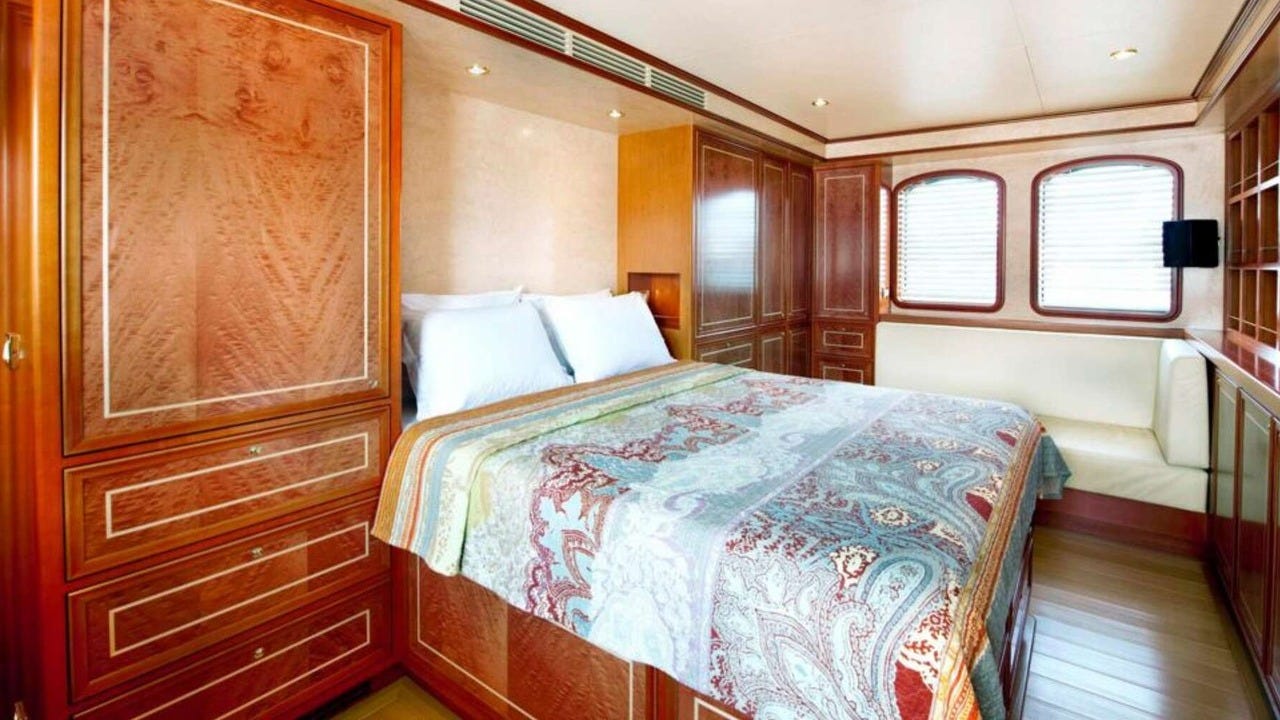
Six Cabins, Twelve Berths
Accommodation is arranged across six cabins for twelve guests, with a separate forward crew area. The owners cabin is a suite on the bridge deck with a double bed, seating area, private bathroom with bathtub and shower, and a walk-in closet. That is a substantial owners stateroom on a 36-metre. The VIP cabin is on the main deck with a seating area and desk.
The galley runs Miele appliances and includes a 4 square metre cold room, the kind of specification you expect on a vessel where the crew is genuinely expected to provision and cater for extended offshore passages, not just weekend jollys along the coast. The air conditioning is a Marine Air 3 Chiller system, and a Bluesound multi-room audio system covers the salon, owners cabin, and sun deck.
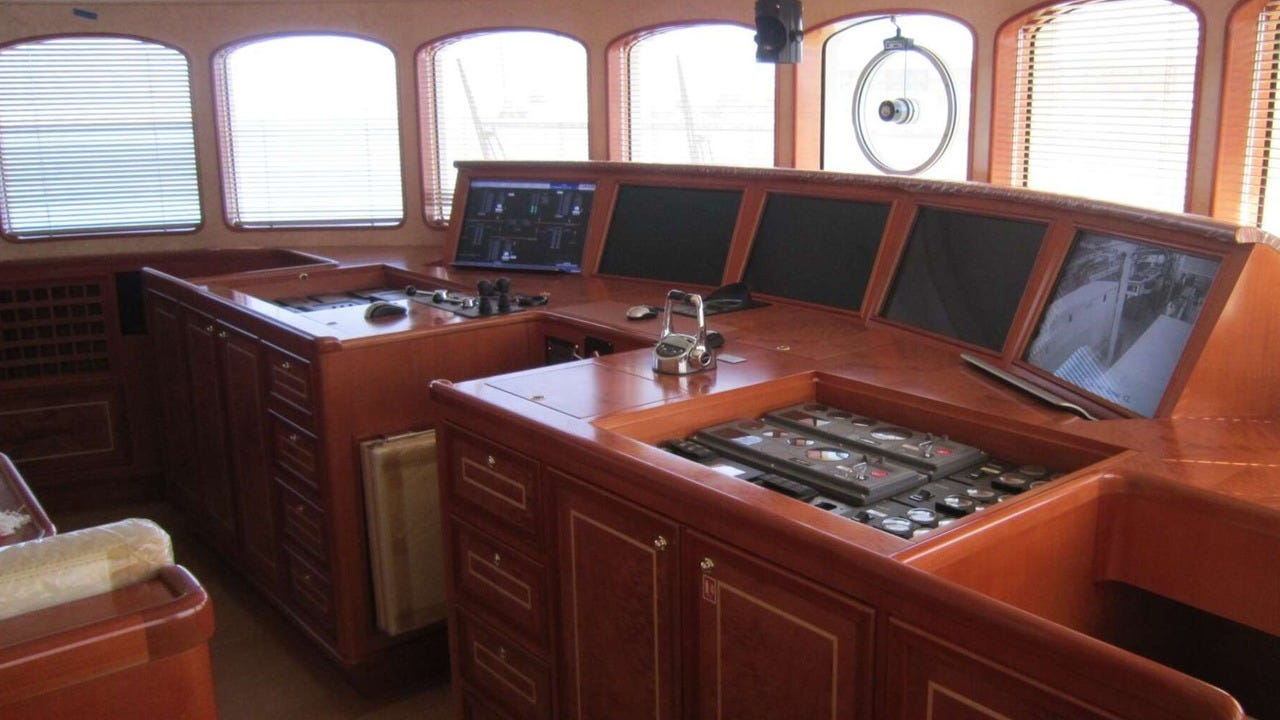
The Bridge: Commercial-Grade Navigation
The navigation suite is worth a specific mention, because it is not a recreational spec. She runs a Wärtsilä NR4000 radar system with dual JRC 10-inch antennas, an Anschutz ST22 gyrocompass, a Saab R6 AIS transceiver, an ECDIS chart system, and three Wärtsilä RS8 navigation computers with Duramon 26-inch displays. The ship’s main server is a Linux-based 64-bit Xeon machine with 24 cores and 8 terabytes of storage. That is a commercial specification, not a consumer electronics install.
The bowthruster is a TRAC 24-inch unit, with a 20-inch sternthruster aft. Shore power connects at 50kW three-phase. Generators run to two Kohler 80kW units plus a 35kW Kohler third unit, giving three generators in total, which gives you genuine redundancy at sea and the capacity to run all hotel loads without touching the main engines.
The anchor system comprises dual 350kg stainless steel bow anchors on 250 metres and 200 metres of 19mm studlink chain respectively, with a 300kg stern anchor linked to the bow chain runs. That is an expedition-grade ground tackle arrangement.
The fire suppression is FM200 throughout, with the engine room covered with RINA-approved components, smoke detectors in every compartment, approximately 50 detectors in total across the vessel.
This article continues below, in “The Wardroom”
In the premium section, I cover:
- Running costs: what a 350-tonne, 36-metre steel explorer actually costs to operate annually: crew, fuel, insurance, maintenance, and yard periods
- The Yanmar 6AYM-WET engines: service intervals, parts availability, and what twin-screw redundancy means operationally at this displacement
- Charter considerations: whether the commercial-grade fit-out makes her viable as a charter vessel, and what MCA certification would realistically involve
- The builder and resale question: Peer Gynt Yachts is not a Feadship; what does that mean for long-term value, parts support, and the secondary market?
- My honest assessment of the €8.9M asking price: what the comparable market looks like for 36-metre steel explorer yachts with Van Oossanen naval architecture and a Hull Vane at this price point
The Wardroom
Running Costs
A 350-tonne, 36-metre steel explorer is not a vessel you run without a professional crew. At this size and displacement, you are looking at a minimum of a captain and two crew as a baseline for passage-making and maintenance. In the Mediterranean, a five-person crew (captain, mate, engineer, chef, stewardess) is more typical for charter operation and comfortable for extended private use.
