

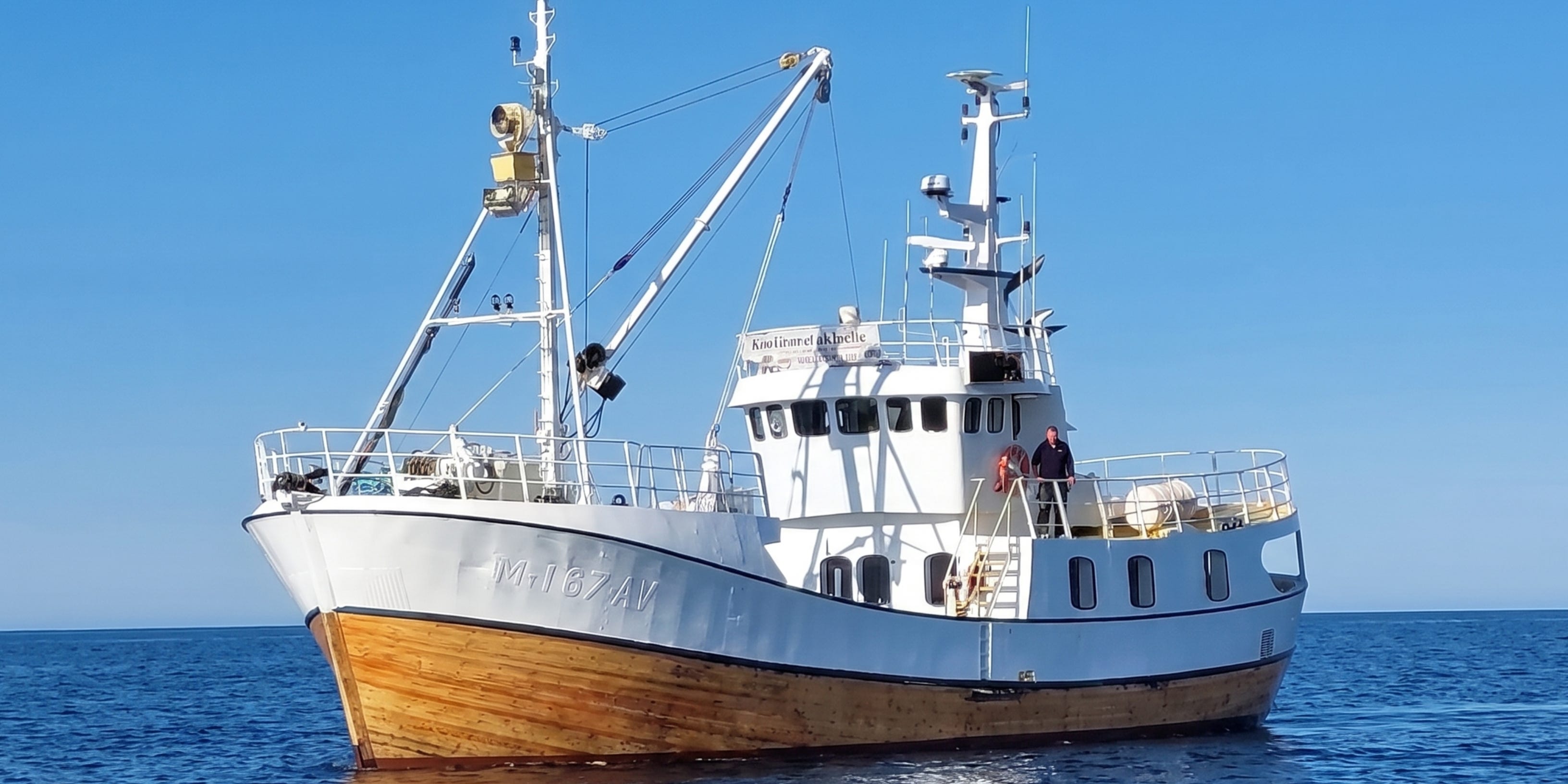
A few years ago, I set up a public group for trawler, explorer and expedition yacht enthusiasts on Facebook. It now has over 45,000 members and often surfaces fantastic explorer yachts I haven’t come across before. Boats like M/S ‘Northwestern’.
This stunning vessel still looks like what she was built to do: 78 feet of Norwegian timber, built in 1982 at a yard shaping wooden and steel hulls since 1946 and currently sitting at Godøya, near Ålesund, asking 2,250,000 Norwegian kroner, roughly £172,000 to £175,000 at current exchange rates, a figure that will of course move a little with the market.
For that money you get a 78-foot vessel listed at 137,000kg with a genuine working pedigree, and not a finished product. She is a hull, an engine and a history, and what you do with that combination, should you choose to buy her, is completely up to you.
The yard that built her
Sletta Verft is not a name most of my subscribers will recognise, and that is precisely what makes her even more interesting. Founded in 1946 at Mjosundet, in Aure, the yard built its early reputation in timber, turning out wooden fishing boats for a demanding and relentless coastline, before expanding into steel construction and fishing vessels up to 90 feet. Never a hobbyist’s boatyard.
Northwestern was built there in 1982, registered under the category “Yrkesbåt/Sjark/Skøyte”, Norwegian shorthand for a genuine commercial coastal working vessel. This was never a private motorboat dressed up to look ‘salty’.
Three names, one boat
Before I get into what she is now, it’s worth knowing where she has been. Vessel-tracking records show three names: Ole Elvan until December 2002, then Oksnes from October 2019, and Northwestern from March 2023. A neat postscript: a new aluminium fishing vessel also called Ole Elvan was delivered in March 2020 to a different operator, suggesting the old name was released for a replacement rather than simply abandoned, though I could not confirm the exact ownership chain behind that.
I am pretty sure my readers can fill in the gaps, so feel free to comment below if you know anything.
What her numbers actually mean
The listing records her weight at 137,000 kilograms, a figure easy to misread alongside her gross tonnage of 137, since the two happen to land close together despite measuring different things.
Weight is how heavy she is; gross tonnage measures enclosed volume. The coincidence doesn’t reflect any technical relationship, but it does suggest she is built solidly for her length and designed to work a coastline.
Her listing shows a 720hp Mitsubishi diesel inboard entry, driving her to a stated top speed of 11 knots. The engine count, shaft arrangement, and propeller configuration aren’t confirmed. What I can say is that 720hp and 11 knots, for a hull this size, points to an engine built for torque rather than speed, exactly what you’d expect from a boat built to move gear and catch, not people in a hurry.
When I share these articles on my socials, I often read comments which are left by people who point out that engines of this size on a boat with an LOA like this one seem ‘underpowered’. But it is all about torque rather than speed.
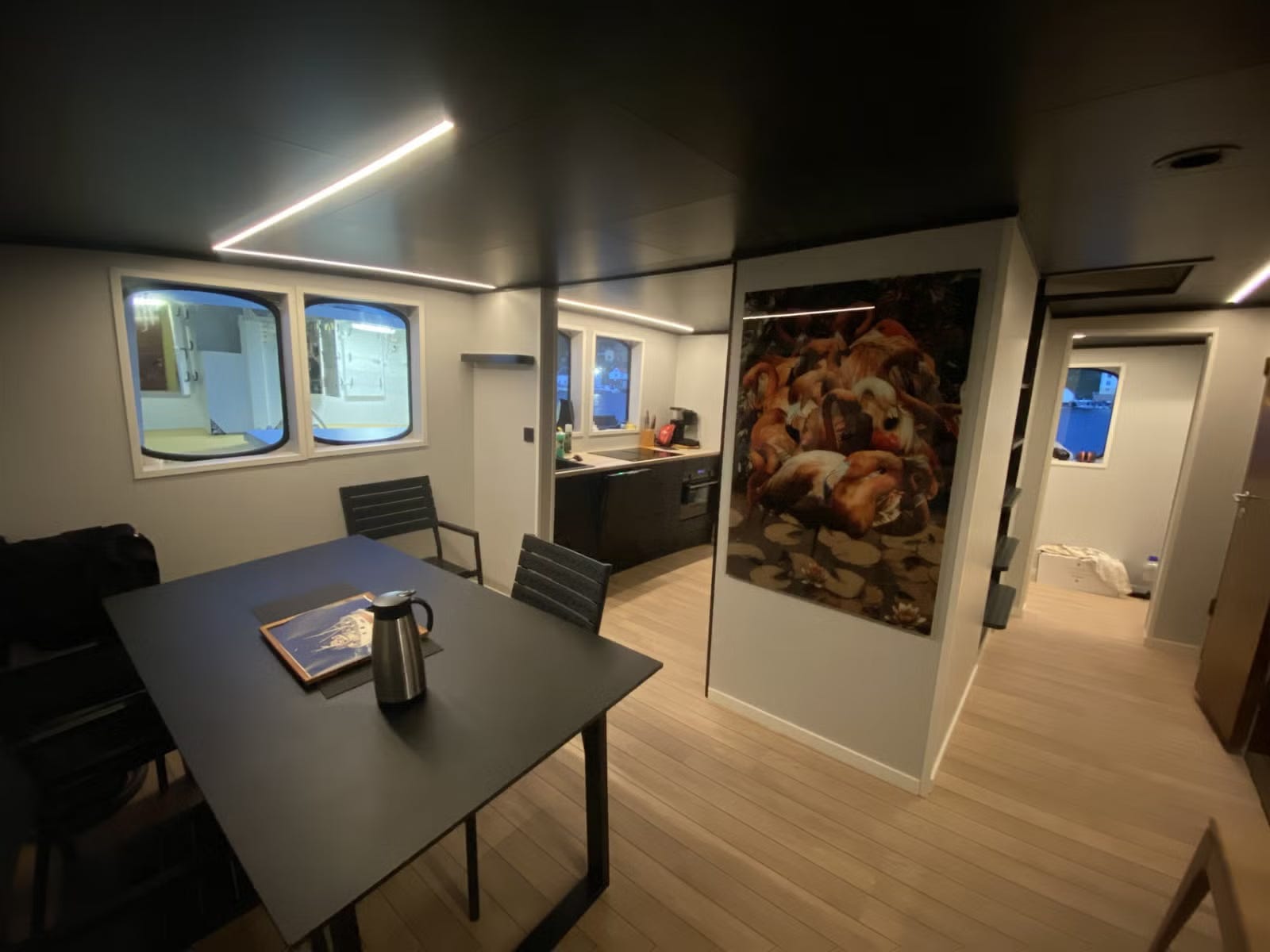
How she is likely to handle at sea
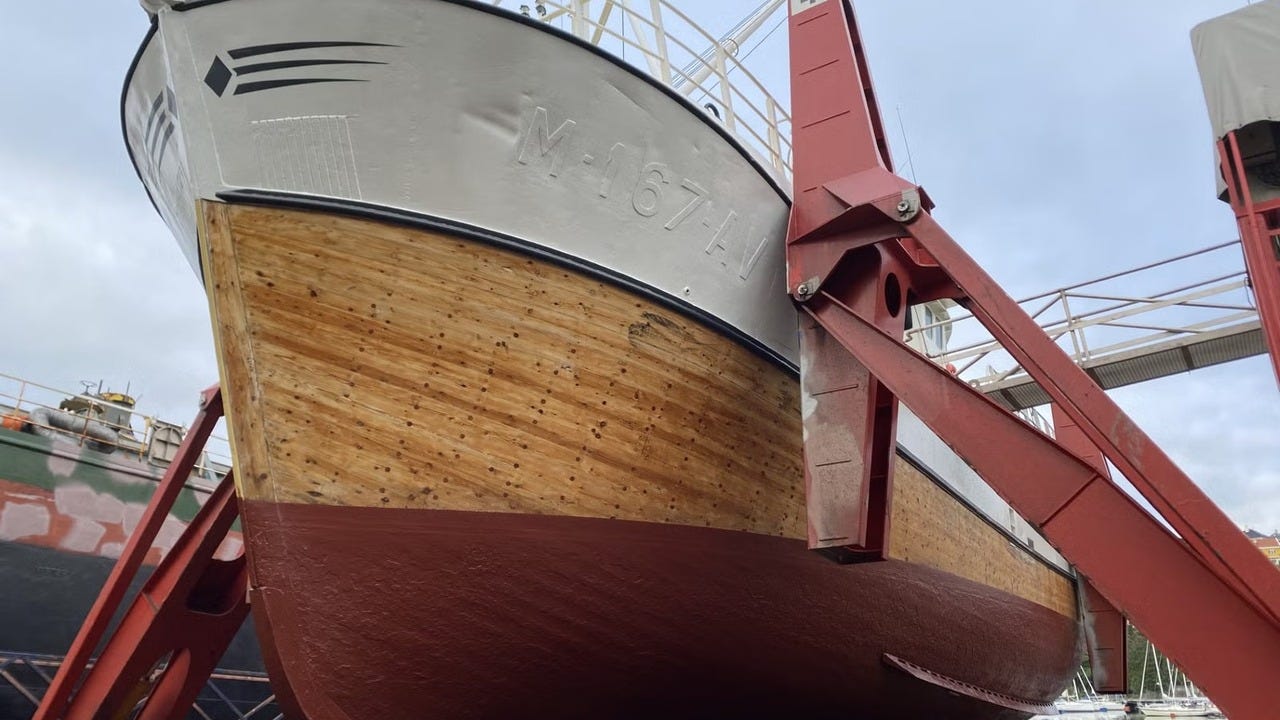
Heavier displacement hulls of this general type often carry a reputation for a steadier, more load-carrying motion offshore than a lighter boat of similar length. But I don’t know Northwestern’s draught, hull form beneath the waterline, centre of gravity or whether she carries any stabilisation, and none of that is published anywhere I’ve found.
So her actual seakeeping remains unverified, something only a sea trial would confirm. But it is fair to say that she will be comfortable in anything up to a Force 8 (I have to point out here that my definition of ‘comfortable’, having served in both the Royal Navy and RNLI, is very different to what most other people class as ‘comfortable’).
Is she ready to go exploring today? This is the question I suspect most readers would like to know the answer to.
I found no suggestion that she is unseaworthy, and equally none that she has been surveyed, refitted, or converted for private cruising use. An advertised top speed alone doesn’t establish range, seaworthiness or ocean capability.
The FINN listing includes a full specification table and nothing else: no description, no condition report, no engine hours, no history of recent yard work. Her passage capability stays open rather than settled. The romance is obvious. The passage plan would have to wait for the paperwork.
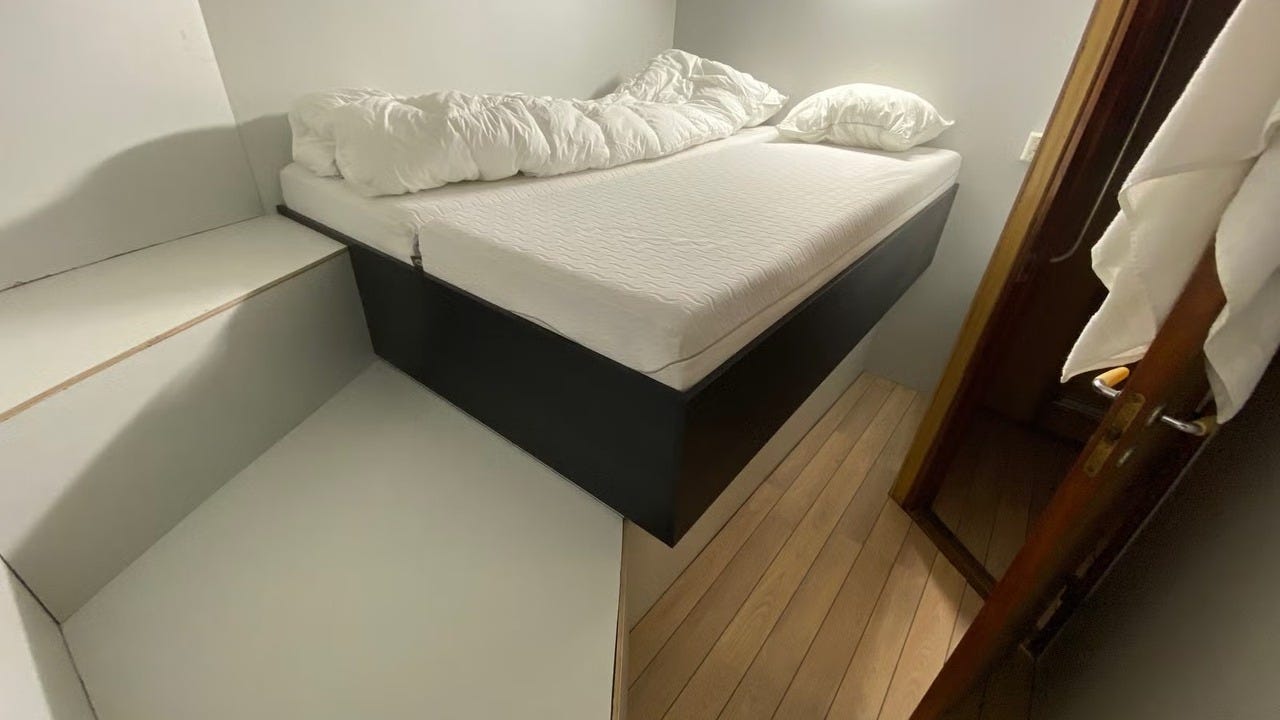
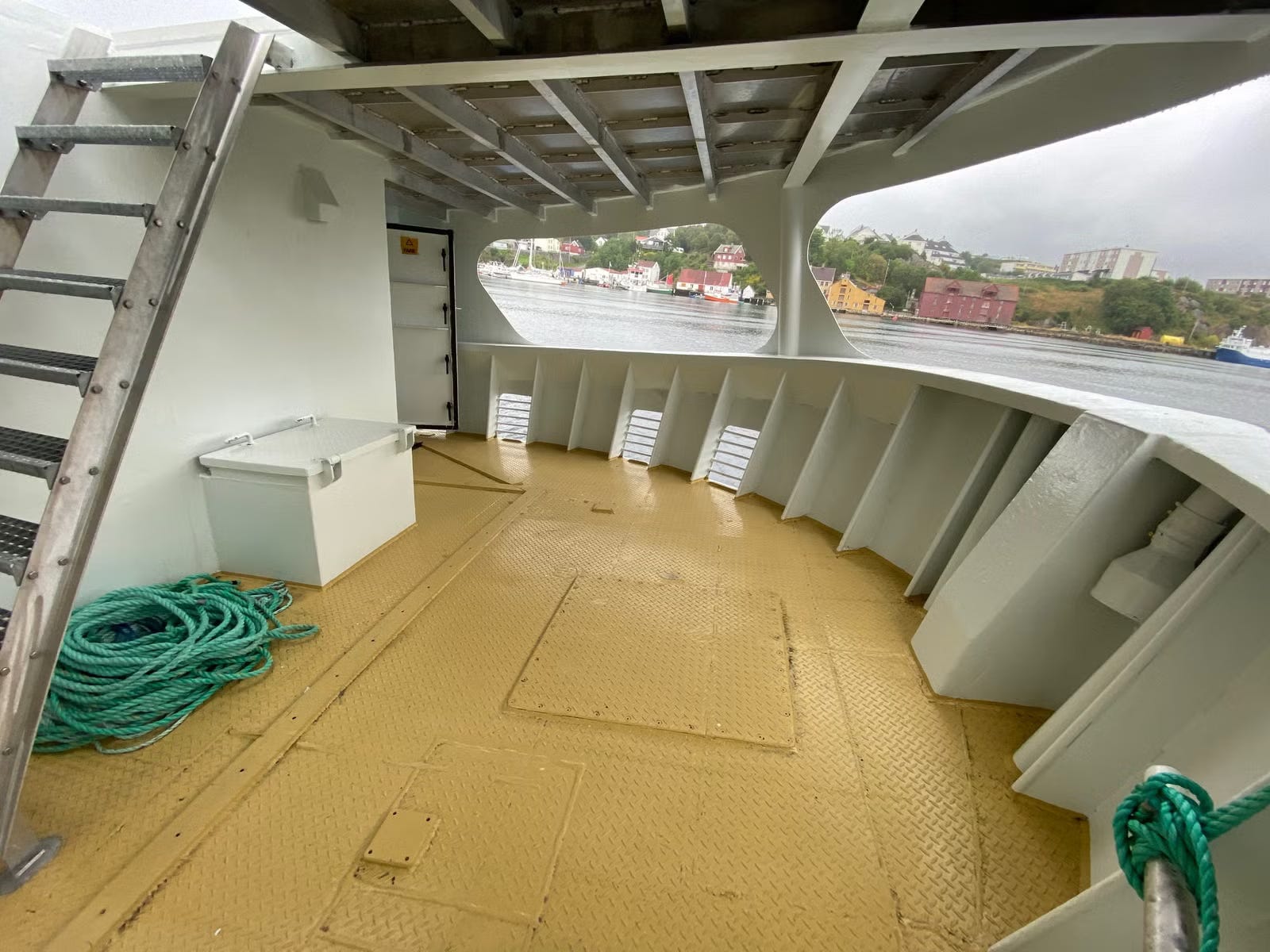
That extends to her range too.
A boat this size, built for coastal fishing work, would typically need serious fuel and water capacity, the kind of numbers that would normally headline a listing like this. Neither figure is published, in litres or US gallons, and I haven’t been able to source them independently.
A survey would be the natural starting point for establishing tank condition and capacity, though tank plans or calibration records may also be needed. Despite the gaps in the information I could find, I am sure you no doubt can see why I still wanted to feature this boat in this newsletter.
She is, by all accounts, a very rare find or certainly not a pedigree that I come across that often. I will leave the broker’s details below so anyone interested can contact them directly.
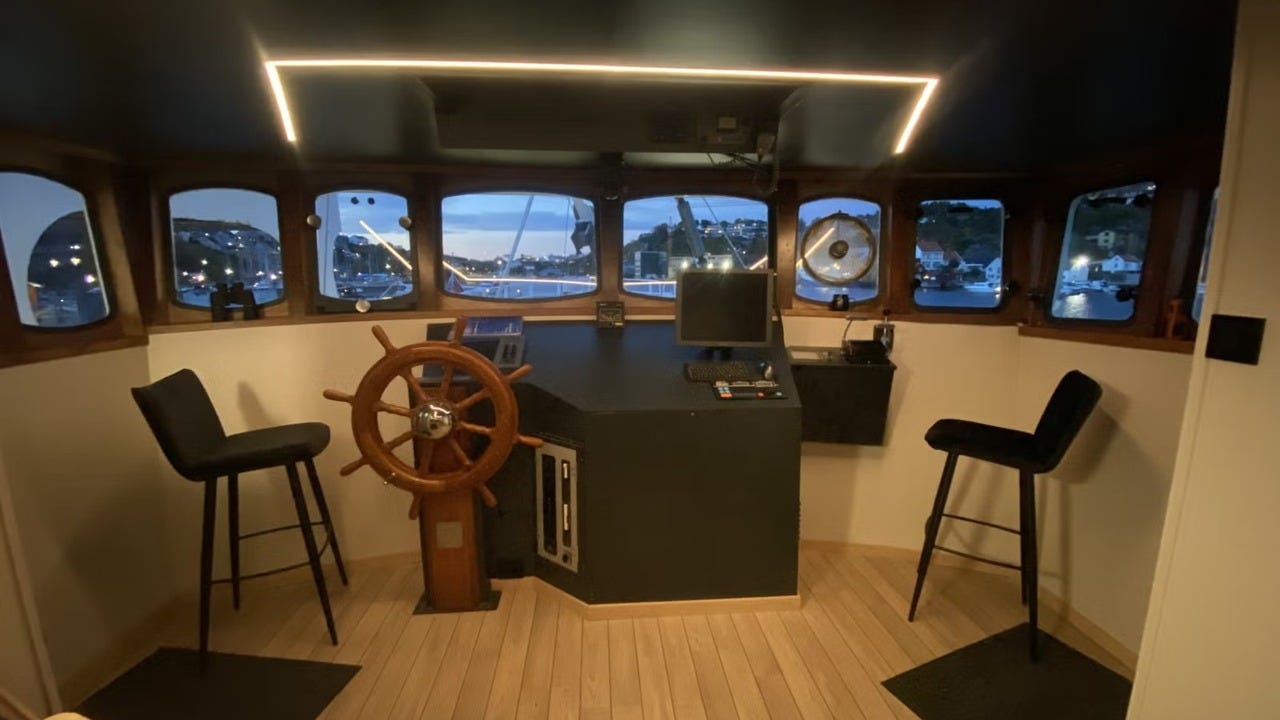
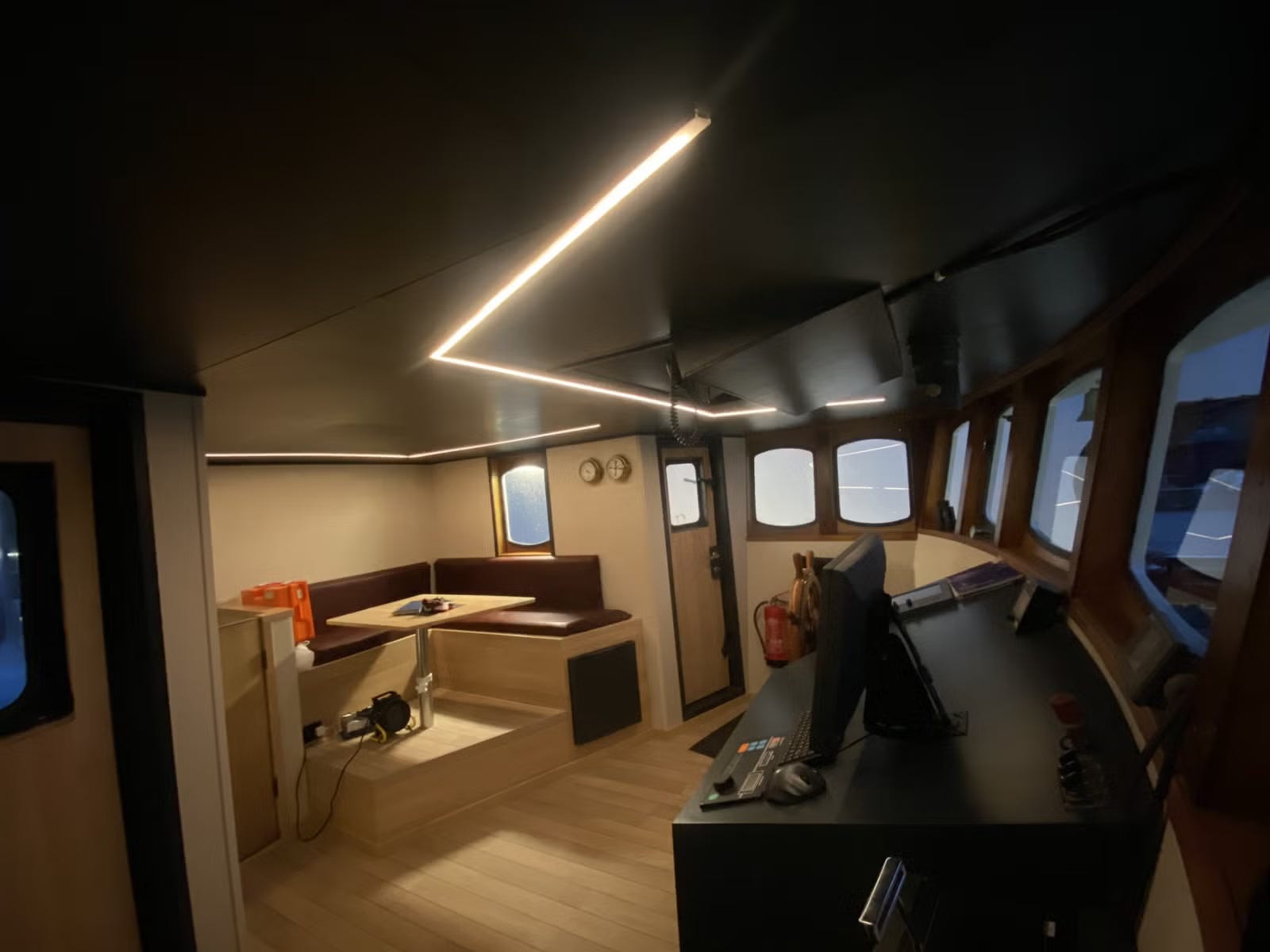
For me, just her lines and naval architecture are worth featuring, because she has all of the hallmarks of boats which I know my readership and indeed my followers will love. Plus, we all love a good conversion project, and I think this boat would suit a buyer looking to turn a project into a dream.
This article continues below, in “The Wardroom”, the premium section of my newsletter. Thanks to my premium subscribers, I can write about and film explorer yachts.
In the premium section below, I cover:
- Her machinery and what remains unknown about it: what a 720hp Mitsubishi entry does and does not tell us about her running condition
- Who she actually suits: the realistic owner profile for a boat like this, not the aspirational one
- Can a couple run her alone?: the honest realities of manning a heavy, ex-commercial vessel of this size
- Her liveaboard reality and what she needs: current configuration versus sensible upgrades
- My honest assessment of the £172k price tag: what that money buys, and what it does not
