

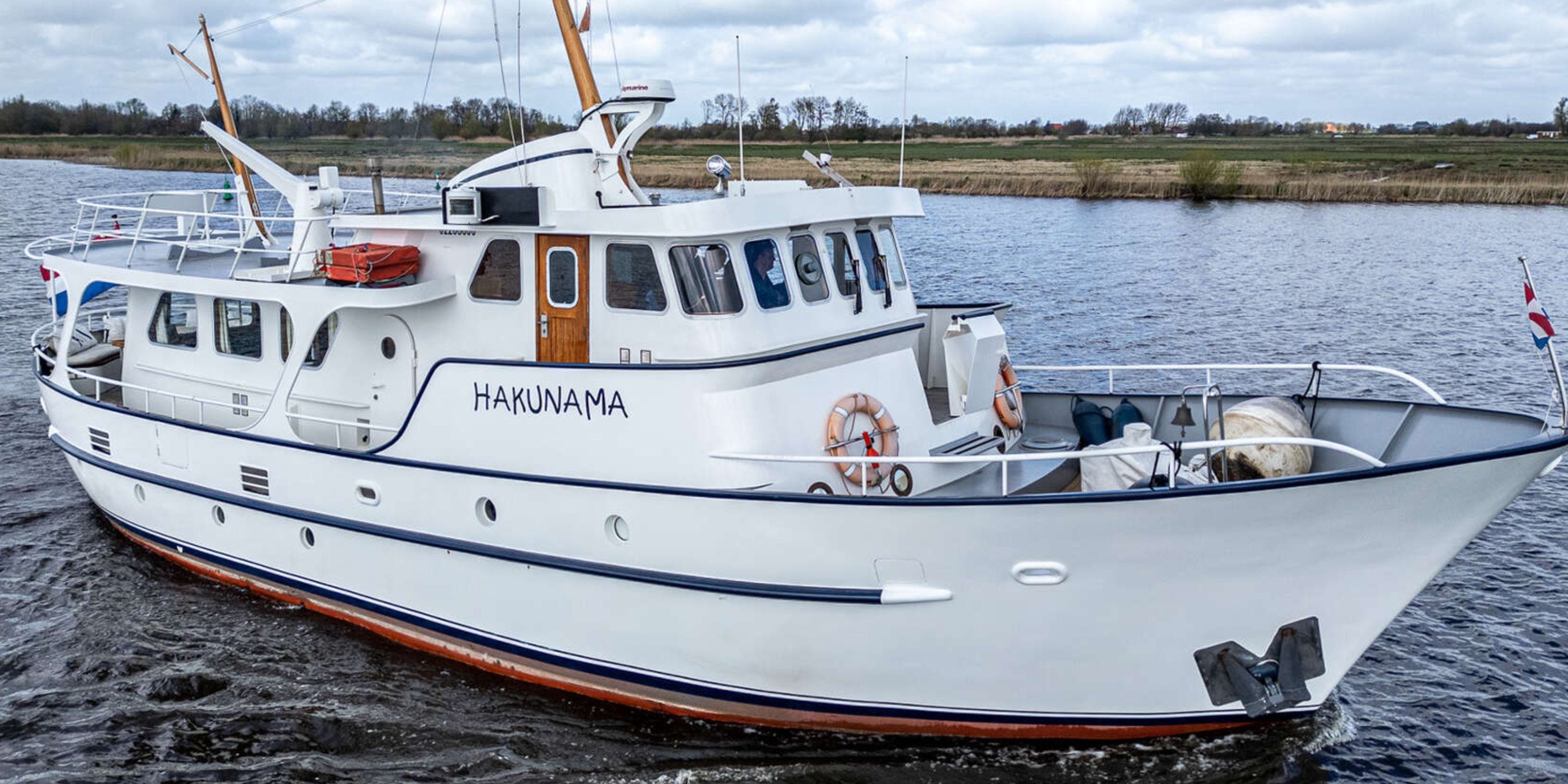
If you have just watched the tour of M/Y ‘Hakunama’ on my YouTube channel, you will already know that she is a striking vessel. 18 metres of round-bilged Dutch steel, four cabins, eight berths, 2,700 nautical miles of range, and that deep, unhurried profile that only comes from a hull designed to go a very long way in complete indifference to what the sea is doing (or might end up doing).
But the tour could only show you so much within the confines of a 20 minute tour. It could not go in to too much detail regarding the yard that built her, or what happened to that same yard. It could not tell you the full story of the engine sitting in her belly, which is one of the more unusual powerplants you will find in an explorer yacht of this size. And it certainly could not tell you what she actually costs to run, maintain, and keep in the water for a year.
That is what this article is for. After all, the boat tour is not a documentary.
Shipyard Haak and the City That Built on Water
Hakunama was built in 1971 by Shipyard Haak, based in Zaandam which is a city in North Holland that most visitors to the Netherlands pass through without stopping, and almost certainly without knowing that it spent much of 20th century as one of the Netherlands’ most productive industrial waterfronts.
Zaandam sits on the River Zaan, barely 10km north of Amsterdam, and its relationship with water and industry goes back centuries. In the 17th century, the Zaan region was home to hundreds of windmill-powered sawmills supplying timber to the Dutch East India Company’s shipyards. Peter the Great of Russia came here in 1697 to learn how ships were built. The industrial tradition never quite left.
Haak Shipyard was part of that tradition. The yard specialised in steel-hull construction, building primarily custom motor yachts and displacement cruisers from at least the early 1970s through to the late 1990s. They were not a volume builder producing cookie-cutter hulls. They were the kind of yard that built one boat at a time, took their time with it, and put the metalwork first. Round-bilged forms, heavy plating, practical layouts designed by people who understood what long-range voyaging actually demanded.
The Haak 60 was a standard offering; a proven model with a hull form calculated for sea-kindliness rather than speed. The round-bilged shape and bilge keels give her a rolling characteristic that is comfortable in a seaway, which is precisely what you want on a vessel with 4,800 litres of fuel and ambitions to go somewhere distant. At 58 tonnes displacement and 8-6mm steel plate throughout, she is built to a standard you do not often find in modern production yachts half her age.
Haak ceased major yacht production sometime in the early 2000s. Original-specification Haak vessels of this size rarely come to market now. When they do, they tend to sell.
M/Y ‘Hakunama’… What She Is
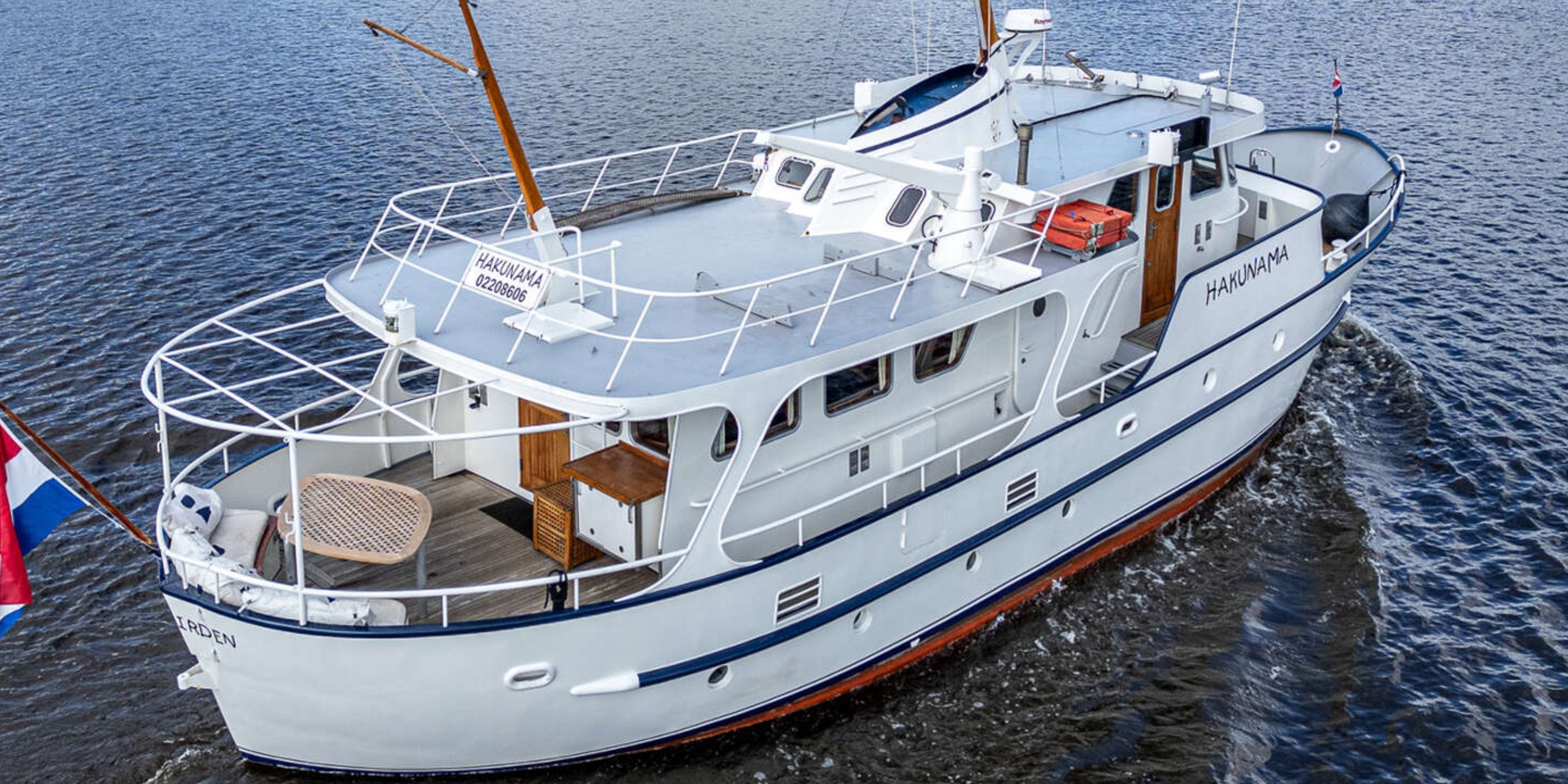
Hakunama was launched in 1971 and fitted out in 1972. She measures 18.00 metres on the waterline, 5.20 metres in the beam, and draws 2.10 metres; a modest draught for a steel displacement vessel of her weight, which keeps options open for Dutch and German inland waterways as well as coastal and offshore passages.
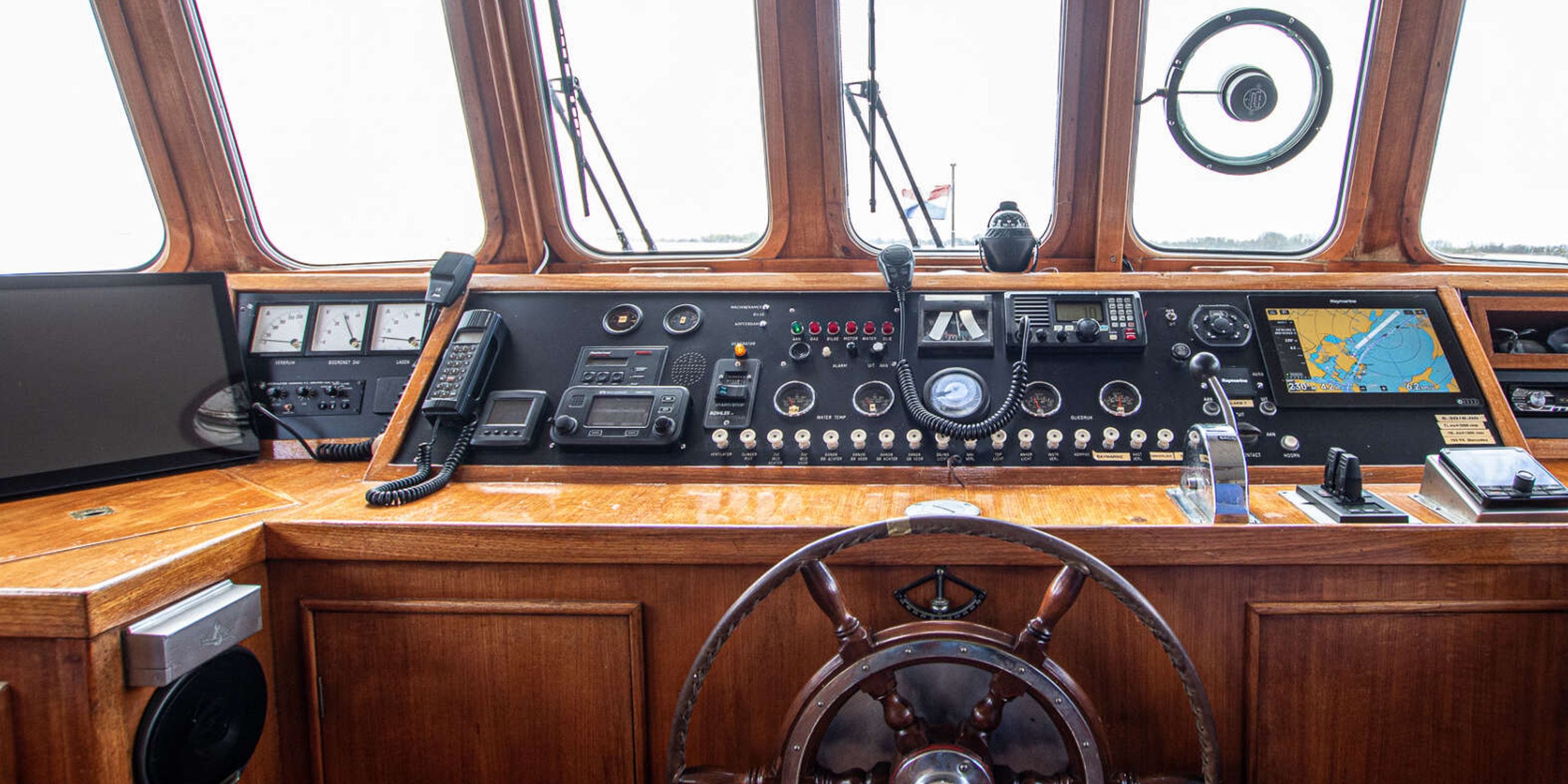
The accommodation runs to four cabins and eight berths, with an owner’s cabin that has its own ensuite, a guest cabin with shared facilities, and two further bunk cabins. The main saloon is teak and oak, the accommodation below is mahogany with ash trim. In the tour you will have seen that the finish is not a superyacht interior - it is a serious cruising yacht interior, warm and practical, built to be lived in rather than photographed.
Her recent history shows active maintenance rather than passive custodianship. She spent time at Talsma Shipyard in Franeker for a refit which is one of the most respected steel yards in the Netherlands, capable of work up to 80 metres. In 2025 she received a new Kabola central heating system and a fresh antifouling application. Her CVO certification (the Dutch classification equivalent of a safety certificate) runs until 2031. She is not a project. She is an explorer-ready vessel asking €555,000 VAT paid.
The Engine in Her Bilge
Here is where the story gets interesting….
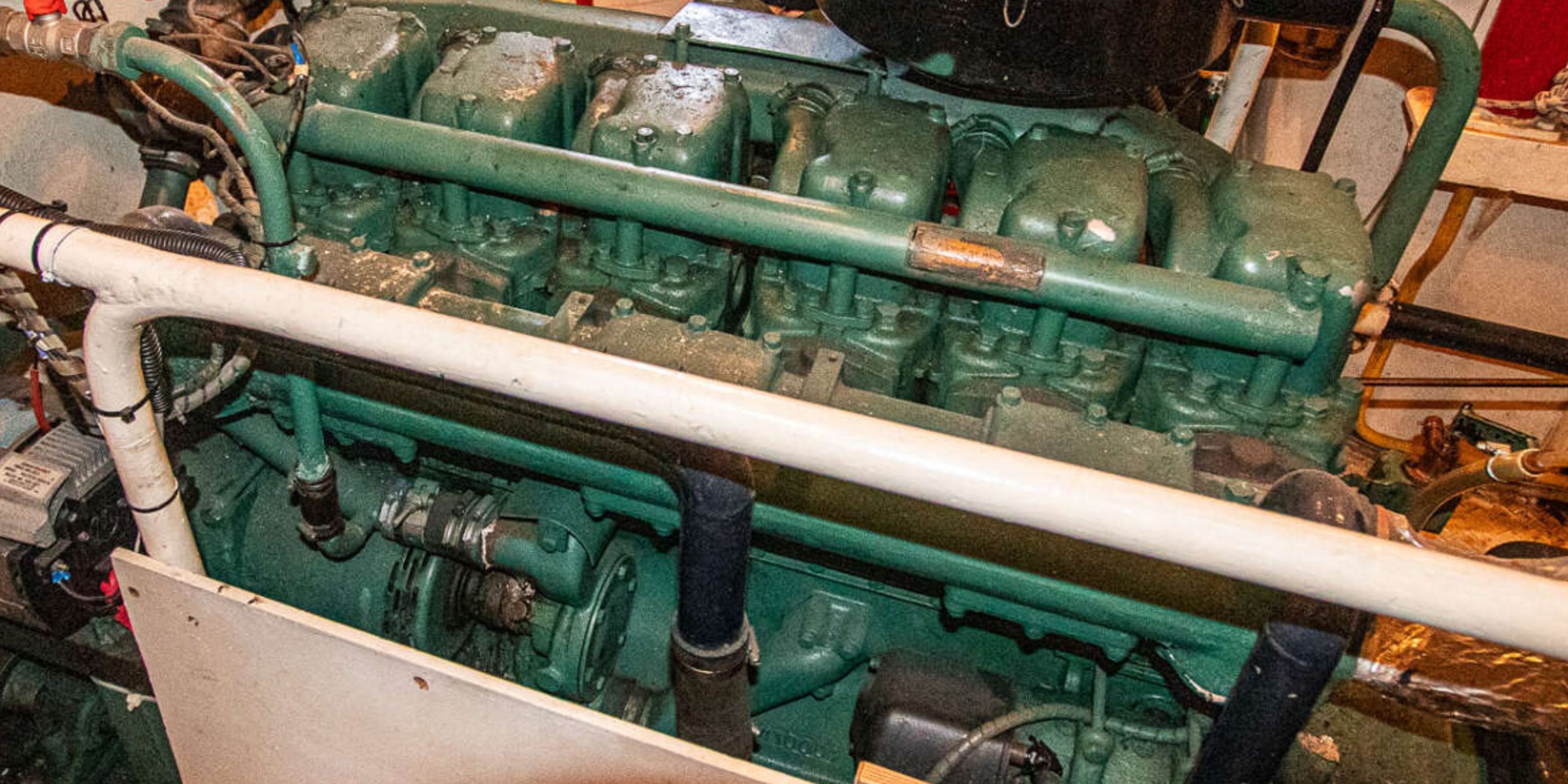
The engine powering Hakunama is a Mercedes-Benz OM 355, installed in 1972. If that designation means nothing to you, here is what it means: she is running a *truck engine*. Specifically, a six-cylinder inline diesel originally developed by Mercedes-Benz for heavy commercial road vehicles, so, the same basic unit that spent decades hauling freight across Europe in Mercedes trucks before anyone thought to bolt it into a yacht.
The OM 355 is an 11.6-litre engine producing 195 horsepower in its marinised form. It runs through a Reintjens BGA 180 mechanical gearbox at a 3:1 reduction ratio, turning a Van Voorden fixed three-blade propeller at 950mm diameter. Fuel consumption at 7 knots cruise is 7 litres per hour which is modest for a 58-tonne vessel, and the reason she can carry 4,800 litres and still claim 2,700 nautical miles of range.
Got a boat?
Know of a vessel, for sale, charter, or otherwise, that you would like me to feature in a future dispatch? You can send me a direct message or email me via john@yacht-buoy.com
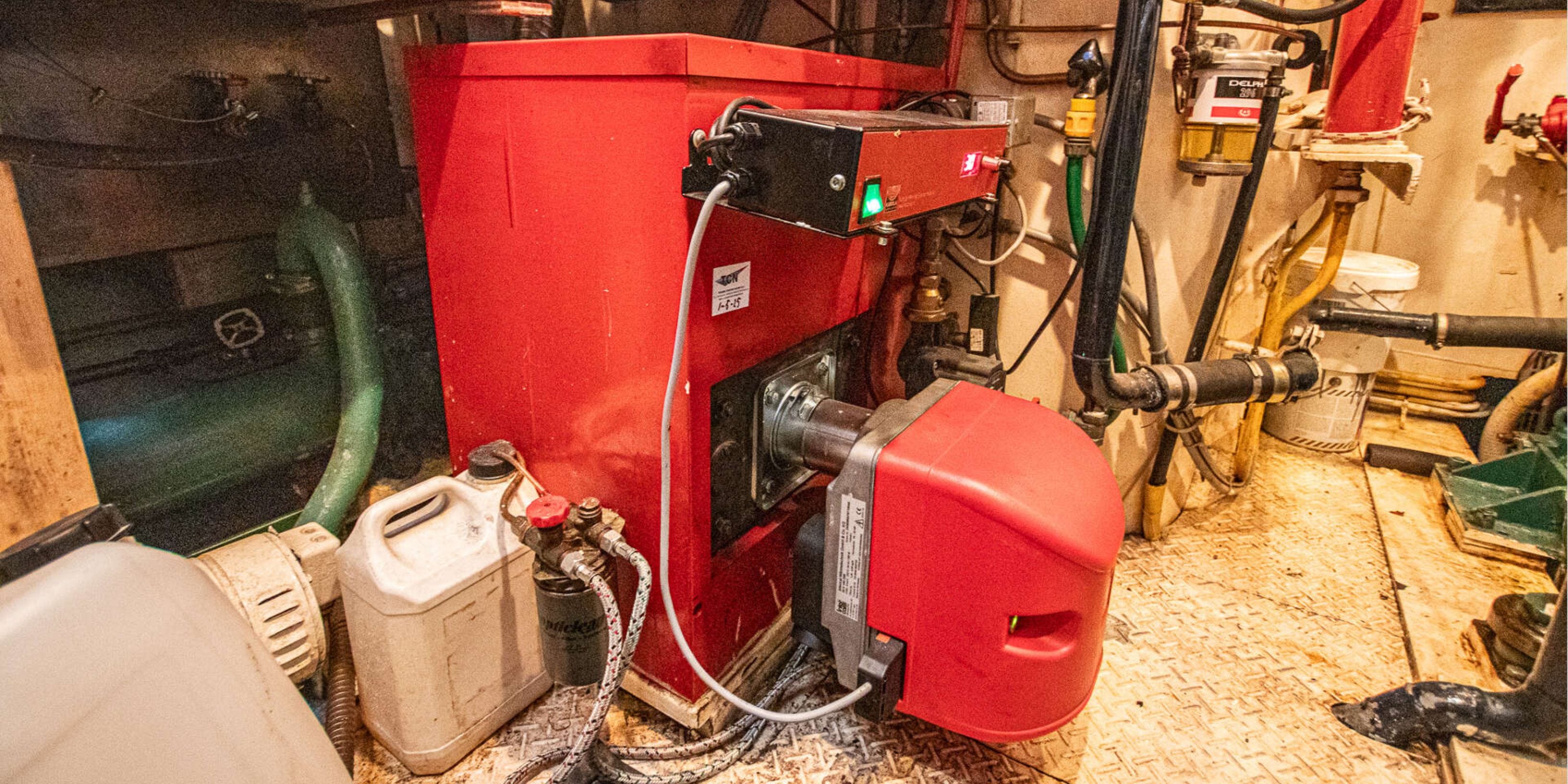
The listing does not detail the main engine’s hour meter reading so that figure would probably pop up during negotiations. What the spec sheet does confirm is 2,134 hours on the Kohler generator, which in a vessel used at this level suggests active rather than neglectful ownership. For a diesel of the OM 355’s specification and reputation, even a well-exercised example is known in commercial marine circles for reaching 10,000 hours and beyond with proper maintenance. The architecture of the engine (mechanical injection, no electronics, freshwater-cooled) means it ages on its own terms, not on a software update cycle.
The question is what “looking after” actually costs.
The answer to that question, along with the estimated annual running cost breakdown, what a major engine overhaul will eventually run to, what it would cost to ship her to the United States, what I would be checking on survey, and what €555,000 really represents, is in The Wardroom. After all, it's my paying subscribers here on Substack who fund my trips abroad…
The numbers below make for an interesting read and I have enjoyed researching this vessel. A subscription to my Substack costs less than one hour of marina fees….
What the OM 355 Costs to Keep Running
The Mercedes OM 355 has one significant advantage over fashionable modern diesels: it is mechanically simple. There are no electronics to fail, no common rail systems to diagnose, no proprietary software required to bleed the injectors.
A competent diesel engineer who has never seen one before can work on it with standard tools and a manual. In the Netherlands, parts are readily available. In most of northern Europe, they are a phone call away….[continues below]
