

The Reality Check
For most buyers, marine insurance has always been treated as a formality. You find the boat, organise the survey, send the report to the insurer, and a few days later, the policy arrives. For years, that process worked exactly as expected.
However, the marine insurance market has taken a series of heavy losses over the last few seasons. Severe weather events, rising repair costs, and the surge of inexperienced owners during the pandemic boating boom have all contributed to a mounting number of claims. The result is that insurers are quietly tightening their criteria.
This shift is not being widely discussed, but it is already catching buyers out in the second-hand market.
The Trap…
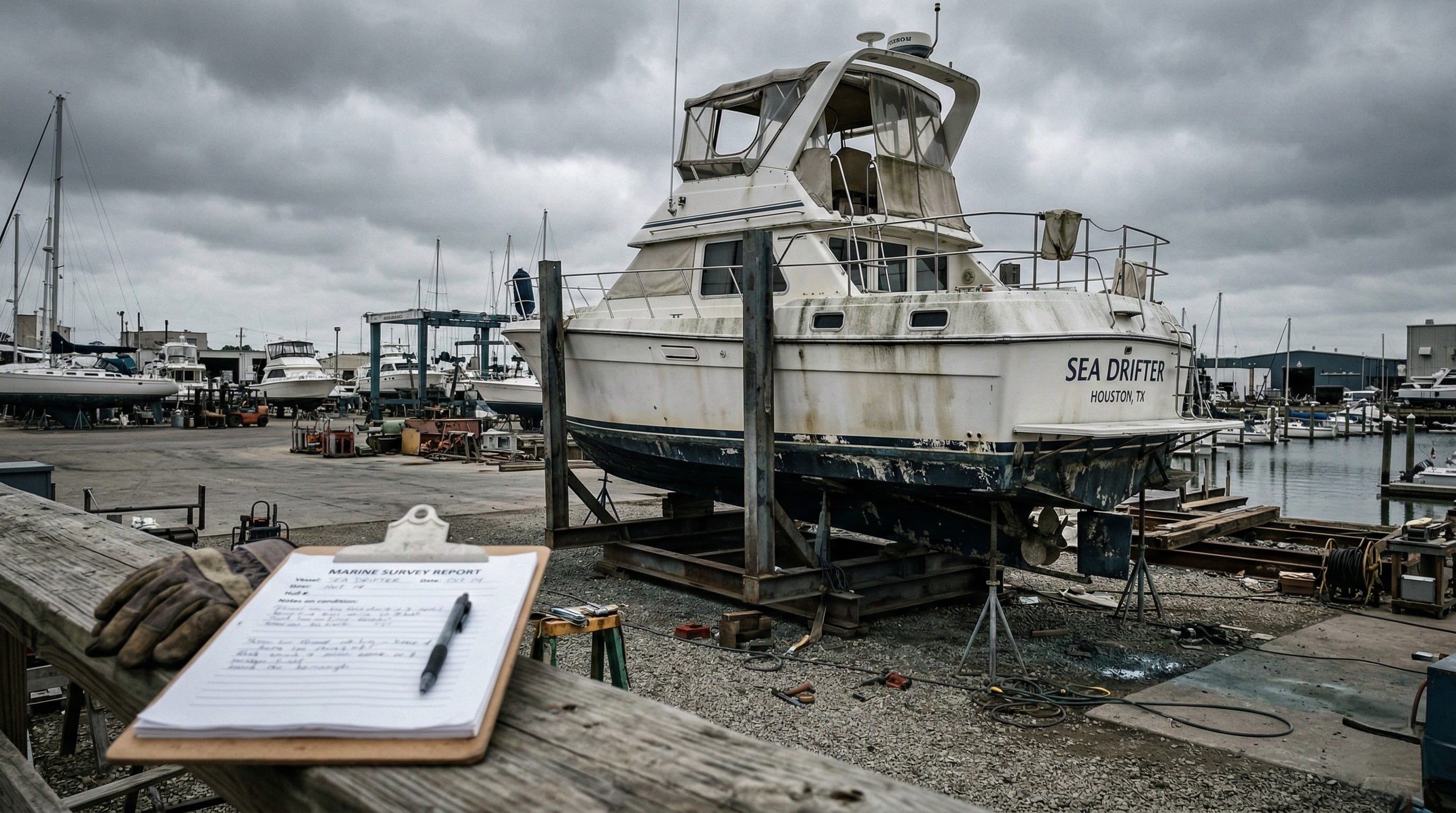
Imagine the scenario. You find a well-priced 2012 cruiser. It presents well, the engines run smoothly, and the owner appears motivated to sell. After viewing the boat, you commission a standard pre-purchase survey for a handsome sum of money.
The surveyor reports that the hull structure is sound. Moisture readings are within acceptable limits, and the vessel appears generally well-maintained for its age. From a buyer’s perspective, everything looks reassuring.
You move ahead with the purchase. Once the deal is complete, you send the survey report to your insurer to arrange cover.
Then the reply arrives: Coverage declined.
The refusal is not because the boat failed structurally, and not because it was unsafe to operate. The rejection is based on maintenance risks that fall outside the insurer’s new, stricter acceptable profile. Without insurance, the marina refuses to allow the boat to remain on the berth, leaving you with a vessel that is suddenly extremely difficult to keep or use.
What looked like a bargain has quietly turned into a financial trap…..
The Quiet Shift in the Rules
For decades, insurers focused primarily on structural integrity. Survey reports concentrated on hull condition, moisture levels, signs of osmosis, and evidence of previous impact damage. These factors still matter, but they are no longer the only concern.
Increasingly, underwriters are focusing on something else entirely: The Maintenance Backlog.
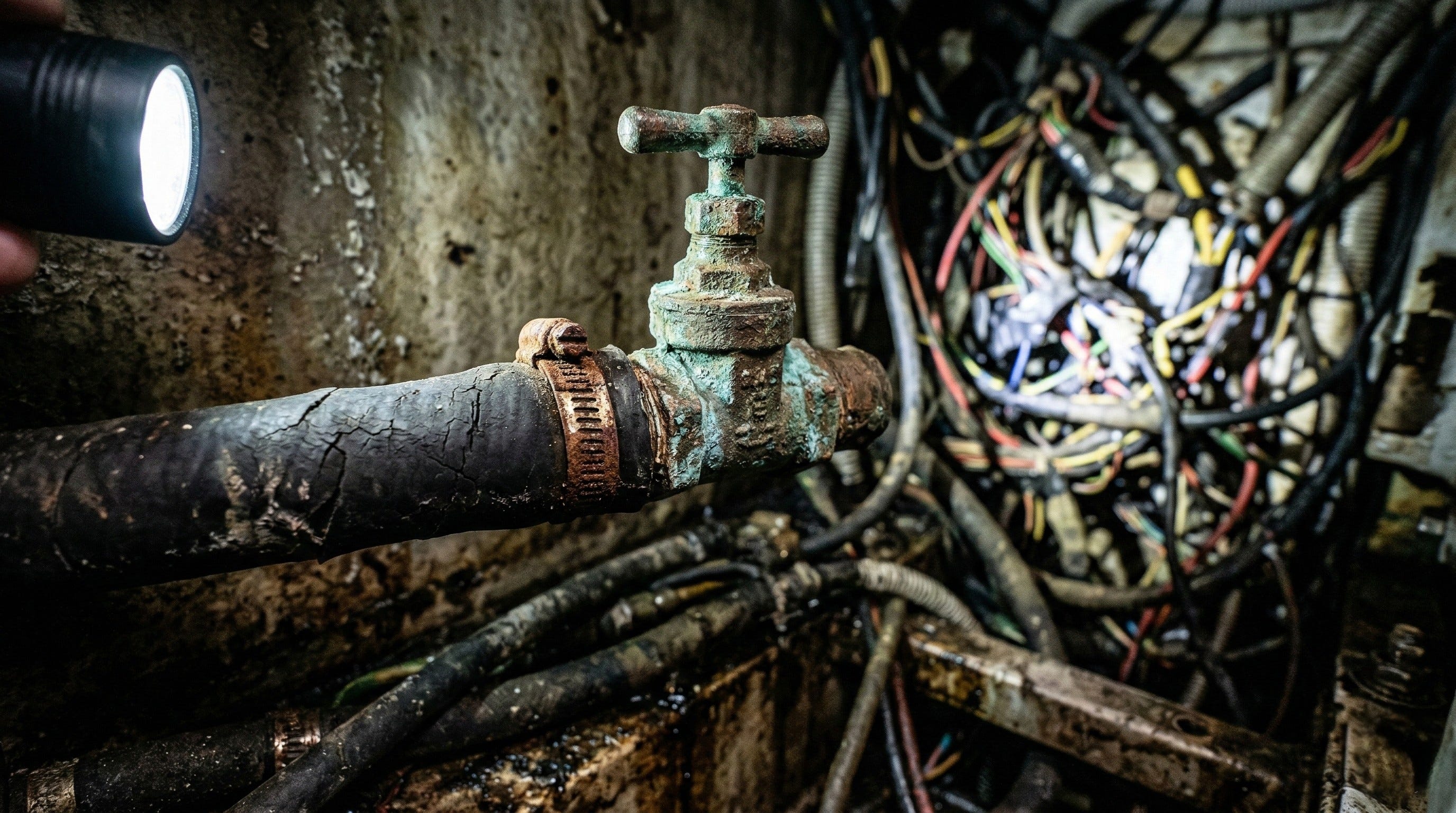
Insurers have grown tired of paying out massive claims caused by small, preventable failures. A corroded seacock that should have been replaced years earlier. A hose that finally split after years of degradation. A poorly installed electrical modification carried out by a previous owner.
These failures are rarely dramatic. In many cases, the responsible component costs less than the price of a decent meal. Yet, when that component fails below the waterline, the result is catastrophic.
Because of this, insurers are no longer satisfied with survey summaries that simply state the hull is structurally sound. They want hard evidence that critical systems have been properly maintained and periodically replaced. If that evidence is missing, the underwriter will simply refuse the risk.
The uncomfortable reality for buyers is straightforward: if you do not understand what underwriters are actively looking for today, you could easily end up purchasing a boat that you cannot insure.
Below, I break down my forensic ‘Underwriter’s Checklist’. These are the five specific failure points that standard surveys often gloss over, but could trigger an automatic insurance rejection in today’s market. Do not place a deposit until you have audited these yourself.
