

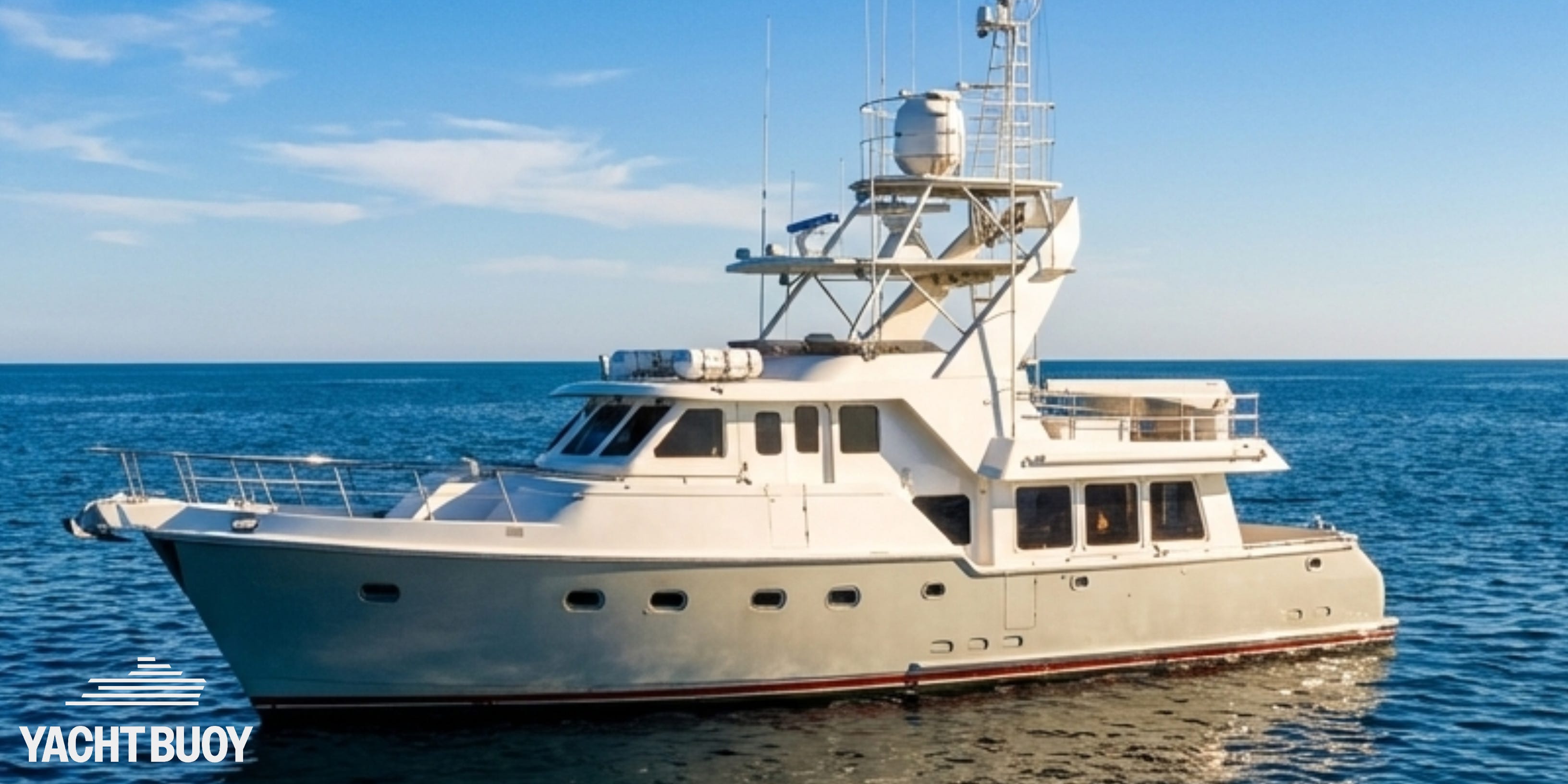
Only 39 Nordhavn 57s were ever built. Between 2000 and 2007, Pacific Asian Enterprises produced this fantastic model in limited numbers before moving on to newer designs. If you want one today, you are competing for a small pool of vessels that rarely come to market, and when they do, serious buyers move quickly.
M/Y ‘Martha’ is one of those 39. She was built in 2001, she has covered ocean passages rather than short coastal marina hops, and she is currently lying in Sweden asking 8,000,000 SEK (listed with Navark Yacht Brokers), which translates to approximately €695,000 with VAT already paid. Comparable Nordhavn 57s on the market today are asking anywhere between €750,000 to €950,000. Martha is priced below that range, which means this listing will not sit quietly for long…..
I spotted her being shared in my public Facebook group, ‘Explorer, Trawler and Expedition Yachts for Sale and Charter’, which currently has 36,700 members. The group is not short of people who know exactly what a Nordhavn 57 represents. The fact that this listing generated immediate interest there tells you something about how the serious end of the market views this very capable vessel.
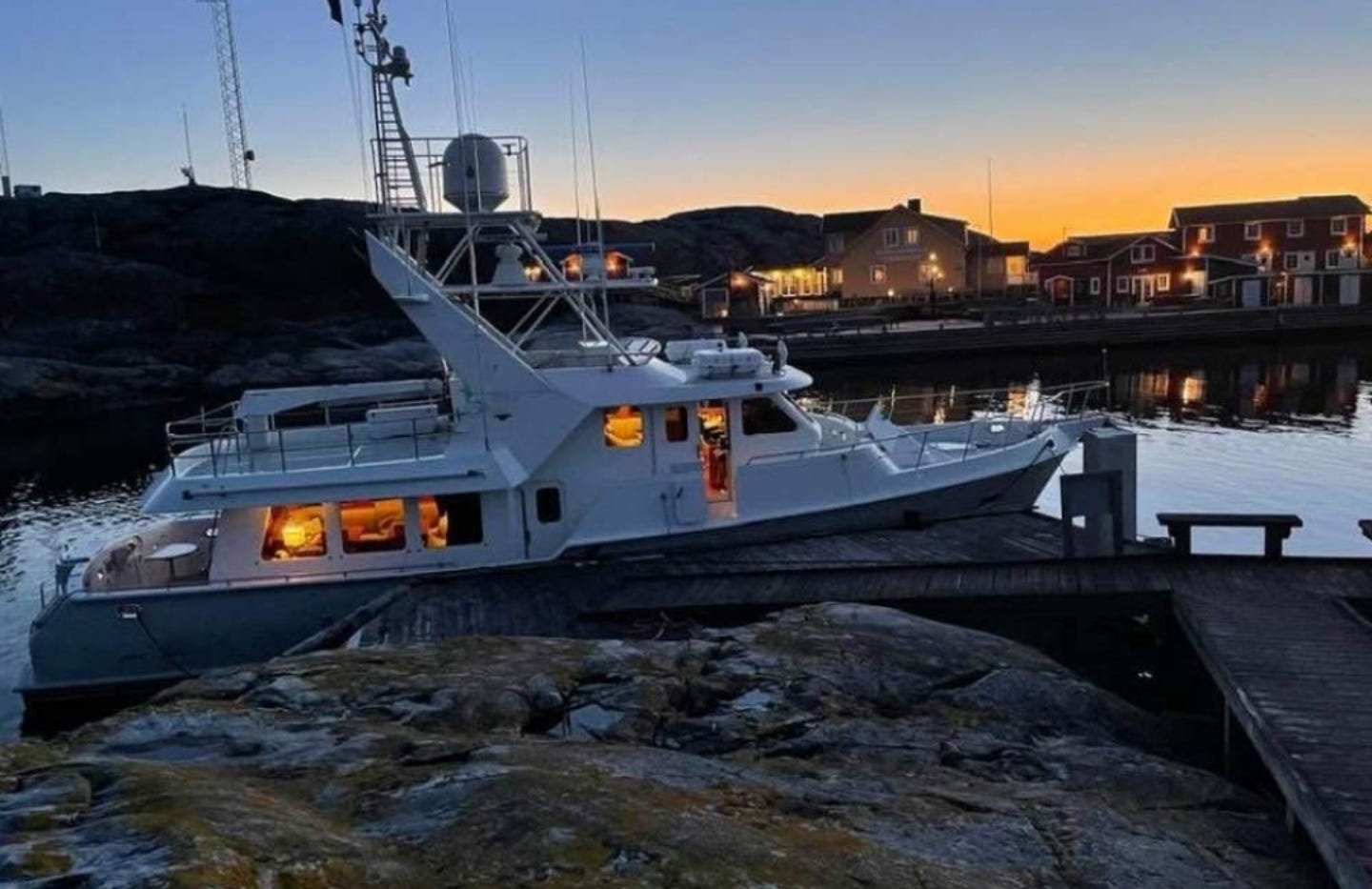
Why Nordhavn Became the Gold Standard
To understand why a 25-year-old trawler generates this kind of attention, you need to understand what Nordhavn set out to do and why they succeeded where others failed.
Pacific Asian Enterprises was founded in California in 1981 by a group of engineers and ocean sailors who were frustrated by the gap between what offshore motor yachts claimed to offer and what they actually delivered. Most production motor yachts of that era were built for coastal cruising and marina living. They looked capable. But many of them were not. Put them in sustained open-ocean conditions and the compromises became obvious quickly.
Nordhavn’s founders decided to build motor yachts the way commercial vessels are built, prioritising seakeeping, range, and redundancy over interior volume and cosmetic appeal. The early designs drew heavily from Pacific fishing vessel heritage, using full-displacement hulls, heavy scantlings, and single-engine configurations that prioritised reliability over performance. The result was a range of vessels that could genuinely cross oceans, not just reach the next marina.
The Nordhavn 57 arrived in 2000 as the flagship of that philosophy. At 57 feet with a full-displacement hull, she was large enough to carry the fuel and stores for extended passages, and small enough to be handled by a couple without professional crew. She was, and remains, the vessel that many serious passagemakers point to when they talk about what a proper ocean-crossing trawler looks like.
Nordhavn 57s have completed full circumnavigations. They have crossed the Atlantic in both directions, multiple times, in the hands of owner-operators rather than delivery crews. The model has a documented history of doing exactly what it was built to do, which is rare enough to be worth noting.
The Vessel: What Martha’s Specification Actually Means
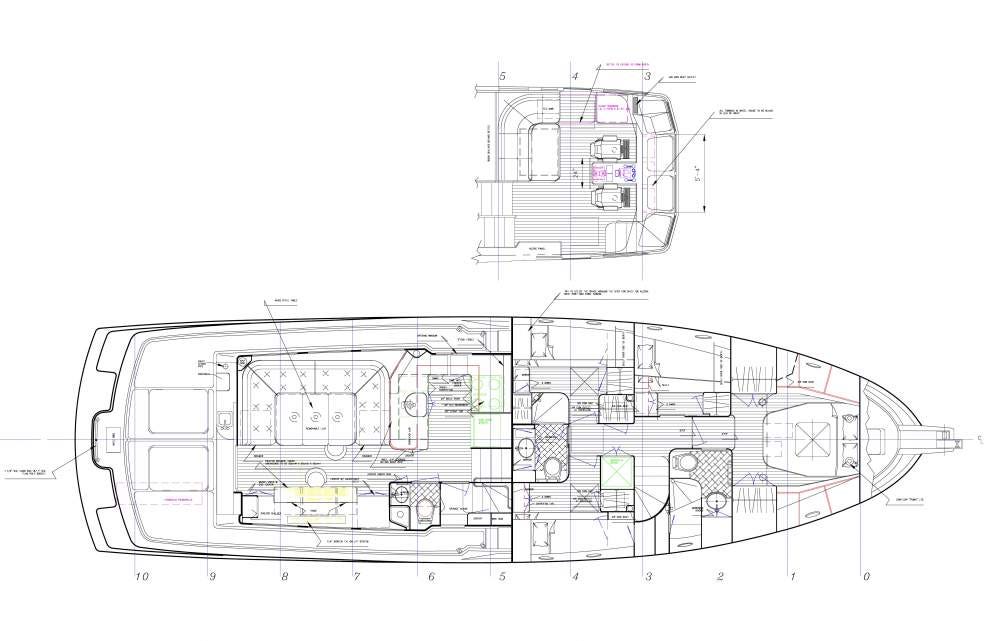
Martha’s headline specification reads as follows: 18.46 metres overall, 5.36-metre beam, 1.90-metre draft, 55,340 kilograms displacement. Single Lugger L-6125A diesel engine. 3,500 engine hours.
Those numbers deserve some unpacking.
The full-displacement hull with a 55-tonne displacement-to-length ratio produces a vessel that sits in the water rather than skimming across it. At cruising speeds of 7 to 8 knots, the GRP hull is operating at its most efficient, producing a predictable, rolling motion that experienced offshore sailors recognise as seakindly rather than the sharp, uncomfortable motion of semi-displacement designs going faster than their hull speed allows. In a seaway, this matters enormously. Nordhavn owners consistently describe their vessels as comfortable in conditions that send other trawler yachts below.
Know of a vessel, for sale, charter, or otherwise, that you would like me to feature in a future dispatch? You can send me a direct message or email me via john@yacht-buoy.com
The 1.90-metre draft is worth noting for European buyers. It restricts some shallow harbour access but provides the stability that comes from having significant underwater volume. In open water, that draft translates directly to motion comfort.
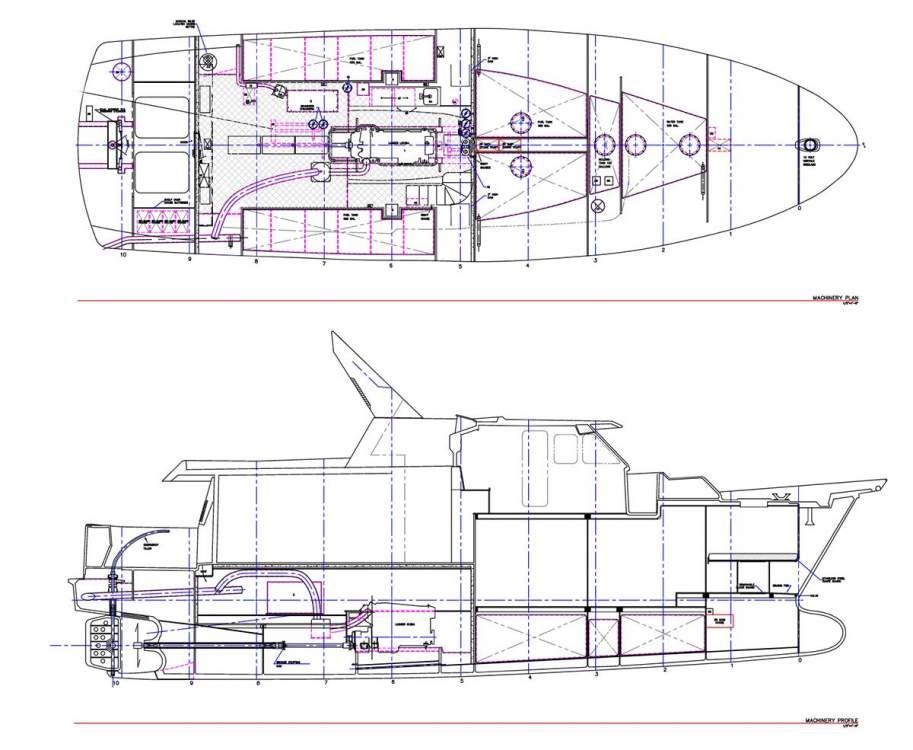
The engine room on a Nordhavn 57 is the centrepiece of the vessel’s design philosophy. Nordhavn’s founding principle was that the engine room should be large enough to work in, access every component from multiple angles, and carry a meaningful spare parts inventory. On Martha, the engine room is accessed from the main saloon and provides standing headroom throughout. This is not a design detail. It is the difference between being able to maintain your vessel at sea and being dependent on boatyard facilities.
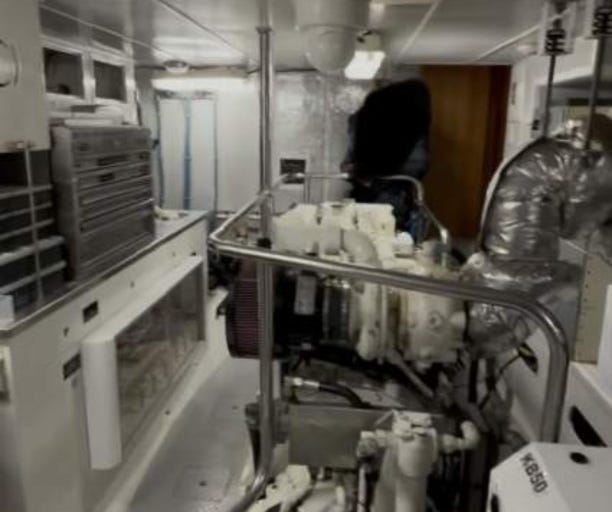
The 3,500 engine hours on the Lugger L-6125A deserve a closer look. The Lugger is derived from the John Deere 6125 industrial diesel, a platform with a design life measured in tens of thousands of hours and a global parts network that extends to virtually every port where commercial shipping operates. At 3,500 hours, this engine is well past its initial break-in period but represents perhaps 15 to 20% of its working life. A well-maintained Lugger at 3,500 hours is not a cause for concern. It is a cause for a thorough pre-purchase survey that verifies the maintenance record and confirms the engine is performing within specification.
At cruising speeds, the Lugger burns approximately 19 to 23 litres per hour. Martha carries 7,570 litres of fuel in dedicated tanks. That fuel capacity, combined with the full-displacement hull’s efficiency, produces a real-world range of approximately 2,500 to 3,000 nautical miles. The Azores are 1,200 nautical miles from mainland Europe. The Atlantic crossing from the Canaries to Barbados is approximately 2,700 nautical miles. Martha can make those passages without the range anxiety that plagues vessels with smaller fuel capacity.
The Scarcity Factor
39 Nordhavn 57s were built. Some have been retired from cruising service. Some are on their second or third owners and not coming to market any time soon. The pool of available vessels at any given time is small, and the pool of buyers who understand exactly what they are looking at is large.
This is not manufactured scarcity in the way that some luxury brands sometimes create artificial rarity. This is genuine limitation; Nordhavn built this model for seven years, decided to focus production elsewhere, and stopped. The vessels that exist are the vessels that exist. There are no new ones coming.
For buyers in this category, that matters for two reasons. Firstly, well-maintained examples hold their value in ways that higher-production models do not. Secondly, when a good one, like Martha, comes to market at a sensible price, the window for considered decision-making is shorter than it might be for more widely produced vessels.
Martha is priced with Navark Yacht brokers at €695,000 VAT paid. The comparable market is €750,000 to €950,000 for similar examples. That gap is not enormous, but it is real, and it represents genuine value in a market where good Nordhavn 57s do not wait.
The ownership intelligence is below - annual running costs, what the survey needs to find, and a frank assessment of whether Martha represents genuine value at this price.
What Martha Actually Costs to Own
Buying a Nordhavn 57 at €695,000 is the beginning of the financial conversation, not the end of it. Understanding the annual operating budget is what separates buyers who thrive as ocean-going owners from those who find themselves overwhelmed by costs they did not anticipate….[Article continues below]
