

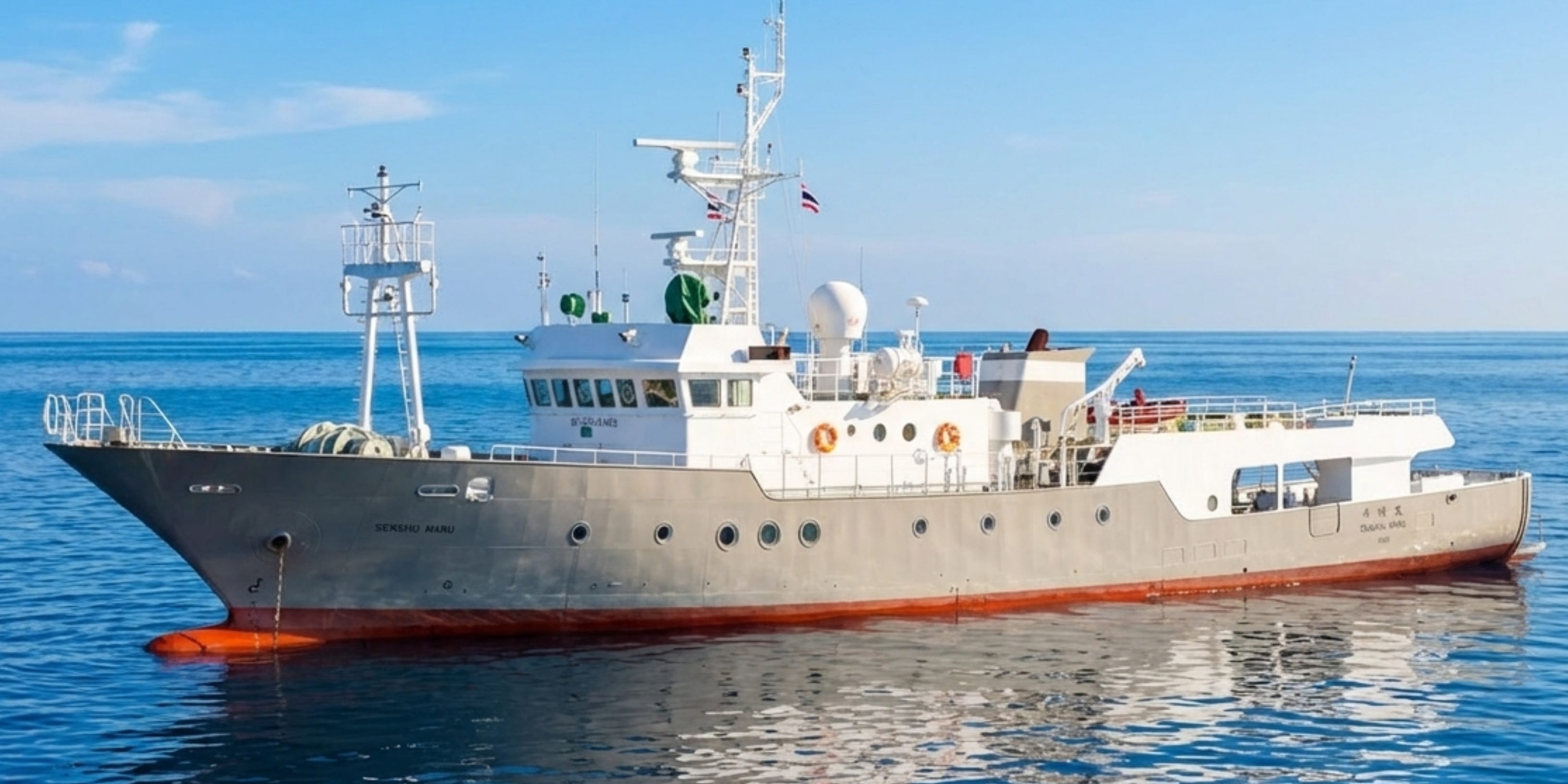
Explorer yachts have never been more popular, and the reasons aren’t difficult to understand when you start to look into the details. They go where other vessels can’t. They stay as long as the mission requires. They handle conditions that send lesser boats back to the marina. Whether the destination is Svalbard, Patagonia, or a remote Pacific atoll, a proper explorer yacht is the vessel that actually gets you there and keeps you safe while you’re there.
For many buyers, that capability is the entire point. Not speed, not glamour, not marina presence. The ability to go. And increasingly, the most compelling explorer yachts aren’t coming out of new-build yards, they’re being created from something else entirely: decommissioned commercial vessels, former military platforms, retired research ships, vessels built to standards that most modern yacht construction simply doesn’t match. The conversion route is growing because the raw material, heavy steel, redundant systems, commercial-grade engineering, is extraordinary.
Why Commercial Hulls Make Exceptional Explorer Yachts
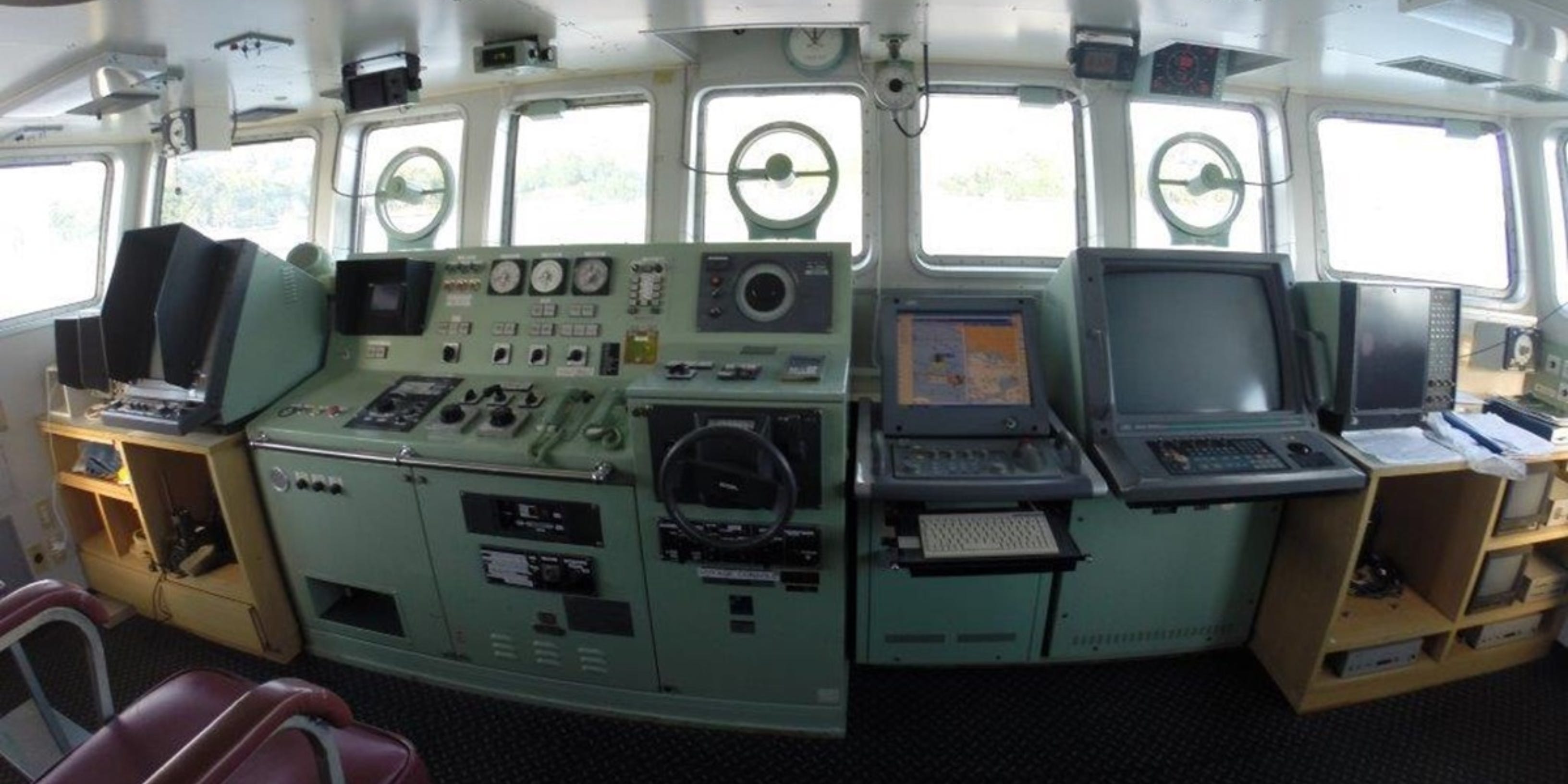
When a shipyard builds a commercial or military vessel, the design priorities are completely different from a yacht builder’s priorities. Function comes first. Survival comes second. Comfort is an afterthought, if it’s considered at all.
That means heavy-gauge steel plate. Redundant propulsion systems. Multiple generators. Through-hulls and sea cocks specified for decades of service rather than a decade of leisure use. Structural engineering calculated for genuine offshore conditions, not calm-water certification tests. The result is a hull that, once stripped and converted, provides a foundation that no purpose-built explorer yacht in the same price bracket can match.
A 1990s research vessel built to commercial class standards will typically have hull plating of 8 to 12 millimetres. A modern production explorer yacht in the 40-metre range will specify 6 to 8 millimetres at best. The difference matters when you’re three days from the nearest port in the Southern Ocean.
The challenge with conversions is the interior. Commercial vessels are built for crews doing jobs, not owners seeking comfort. Converting that raw capability into a liveable, enjoyable private yacht requires significant investment and considerable skill. Get it right, and the result is something you genuinely cannot buy new at any price: the structural integrity of a working vessel with the comfort of a private yacht.
The Vessel: Senshu Maru
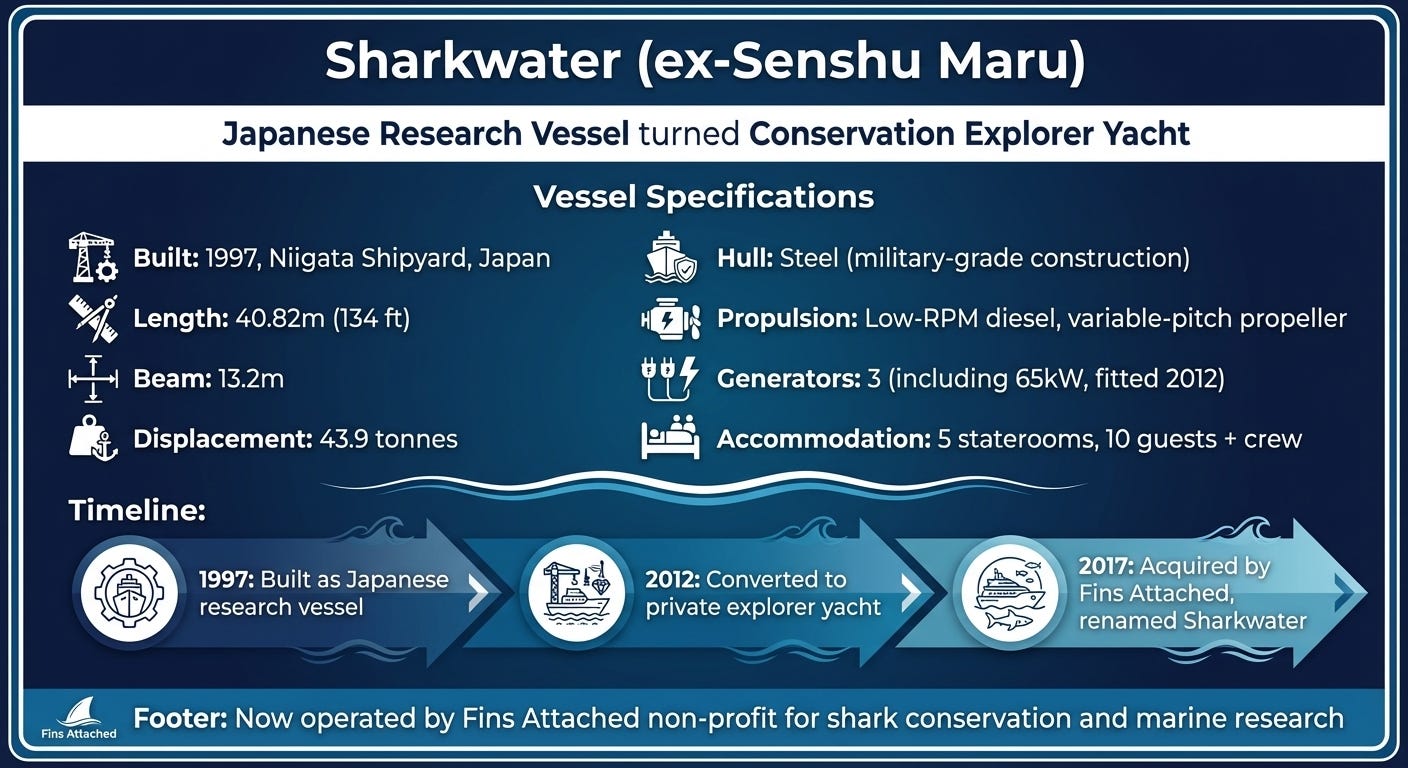
In 1997, the Niigata Shipyard in Japan completed a 40.82-metre oceanographic research vessel called Senshu Maru. She was commissioned for marine science work: fish stock assessment, environmental monitoring, deep-ocean data collection. She was built to military-adjacent standards because Japanese research institutions in that era demanded vessels that could operate continuously in challenging conditions without drama.
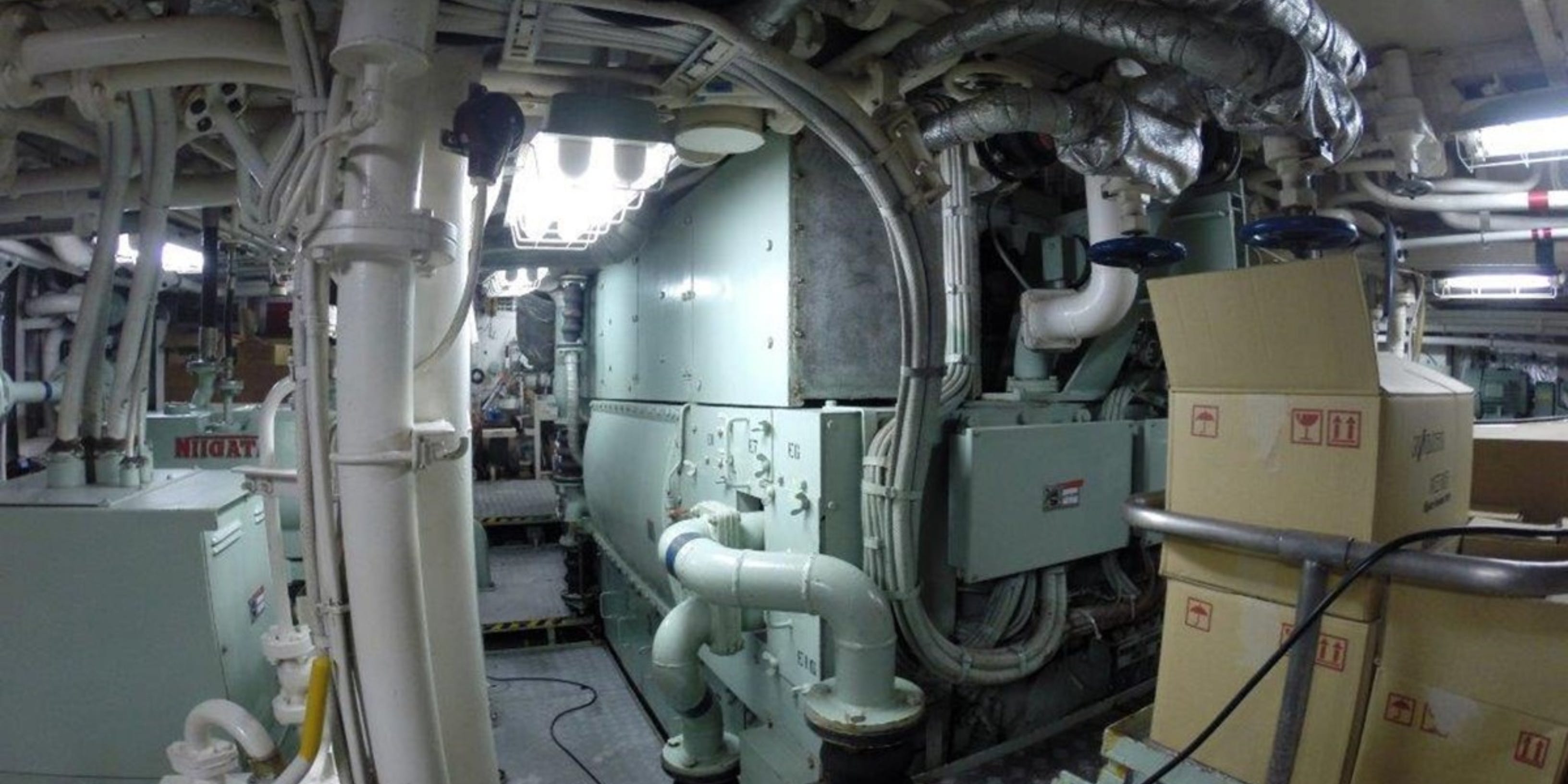
Her propulsion reflected her purpose. A low-RPM main diesel driving a variable-pitch propeller, which allows precise speed control and the ability to hold station against currents without constant throttle adjustment. Three generators providing redundant power for research equipment, lighting, and systems. Heavy-duty deck equipment. Full laboratory spaces. The structural integrity to remain at sea when conditions worsened.
For 15 years, Senshu Maru did her job quietly and without fanfare. She was a working vessel, which is the highest compliment you can pay to a boat.
The Conversion
In 2012, Senshu Maru was acquired for conversion to a private explorer yacht. The work was split between Japan and the Philippines, structural and engineering work in Japan, interior finishing in the Philippines, and the approach taken was exactly right. Rather than gutting the vessel and starting again, the conversion preserved the original engineering and added to it.
The low-RPM diesels stayed. The variable-pitch propulsion stayed. The three-generator power system stayed. A new 65kW generator with full sound shielding was added in 2012, bringing total generating capacity well above what most explorer yachts of this size carry. The redundant systems that made Senshu Maru a reliable research platform became the foundation of a reliable expedition yacht.
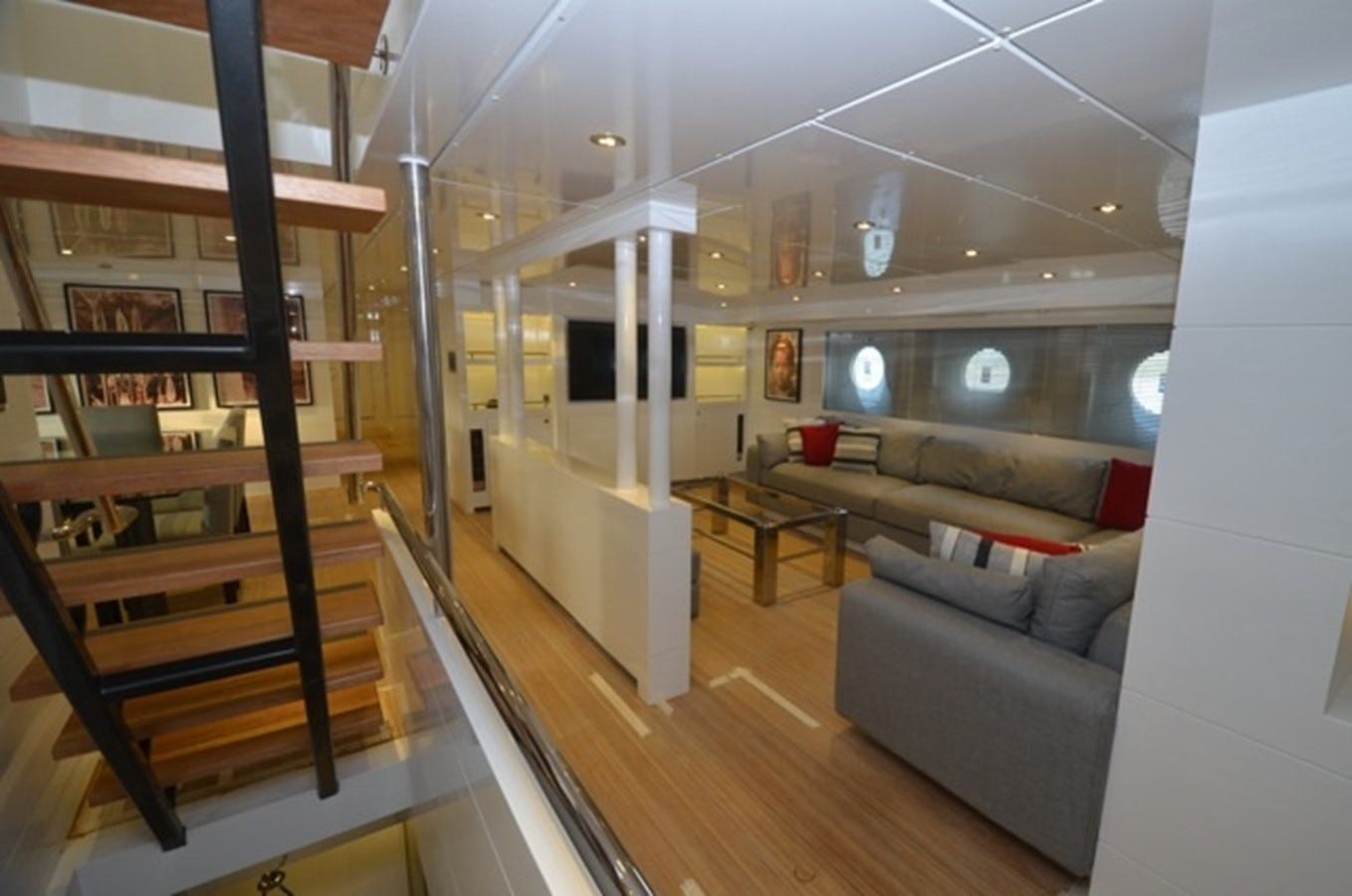
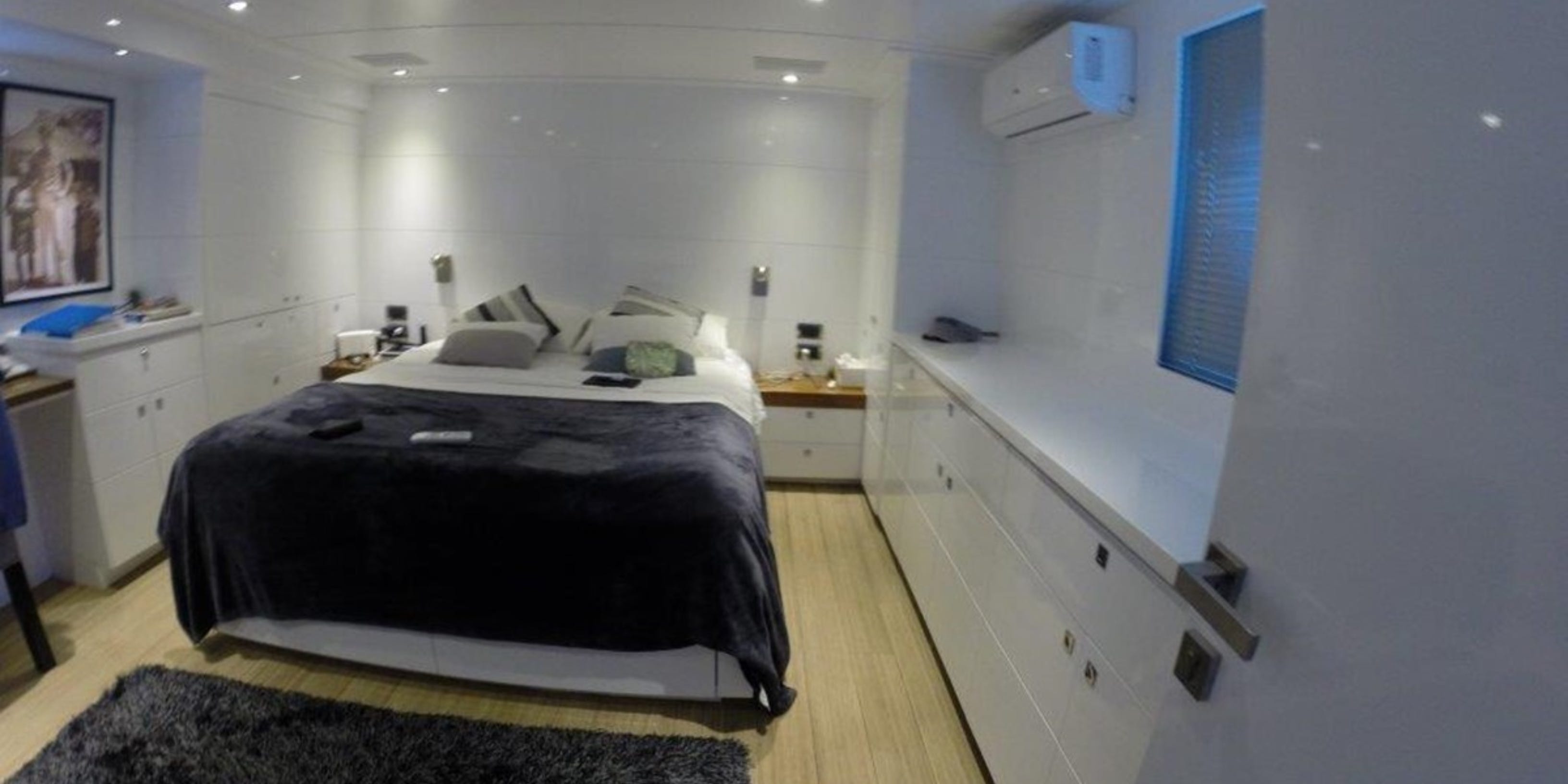
What changed was the accommodation. Five staterooms were fitted out to a comfortable private standard, providing berths for 10 guests and crew. Galley, saloon, and common areas were added or upgraded. The vessel gained the creature comforts expected of a private yacht without sacrificing the capability that made her worth converting in the first place.
The result was a 40-metre expedition-capable motor yacht with the structural pedigree of a Japanese research vessel, the propulsion efficiency of a working platform, and the interior comfort of a well-appointed private vessel. She had range for multi-week passages to remote locations. She had the stability and power systems to support diving operations, film crews, or scientific teams. She was, in the truest sense of the term, a go-anywhere vessel.
Why This Approach Is Growing
Senshu Maru’s conversion story is not unique. It represents a broader shift in how serious explorer yacht owners think about acquiring capable vessels.
New-build explorer yachts in the 40-metre range from established yards now start at €8 to 12 million and climb steeply from there. The waiting lists are long, the specifications are often compromised by production-line thinking, and the hull standards, however good, rarely match what a commercial shipyard was producing in the 1990s for working vessel clients.
Converted commercial and military hulls, by contrast, can be acquired and refitted for a fraction of that figure while delivering capability that exceeds what most new-build yards offer. Former North Sea supply vessels, decommissioned coastguard cutters, retired fisheries patrol boats, Japanese research ships: these hulls were built to last and built to work, and conversion preserves that heritage while adding the comfort that private owners require.
The growing number of serious expedition sailors choosing this route reflects a simple truth. If capability is what you’re buying, the best raw material often comes from vessels that were never meant to be yachts.
What Senshu Maru Became
In 2017, the converted Senshu Maru was acquired by Fins Attached, a US-based marine conservation non-profit led by Alex Antoniou, a PhD marine scientist and the first person to satellite-tag whale sharks in the Caribbean. They renamed her Sharkwater, in tribute to the late Canadian filmmaker Rob Stewart, whose Sharkwater documentary series had spent over a decade documenting the global shark finning crisis and whose death during a diving accident in January 2017 had sent shockwaves through the ocean conservation community.
The naming was deliberate. Stewart’s three films had been viewed by 130 million people worldwide. His work had directly contributed to shark protection legislation in more than 90 countries. A new shark species, Bythaelurus Stewarti, had been named in his honour. Fins Attached wanted a vessel whose name carried that mission forward.
Sharkwater, as she is now known, supports marine research expeditions, shark tagging operations, documentary film crews, and conservation scientists in remote ocean locations. She can hold position offshore while divers work below. She has the power systems and range to sustain a research team for weeks away from shore facilities. The satellite-tagging work that Antoniou pioneered requires a stable platform, diving support, and extended offshore capability. Sharkwater provides all three.
What This Tells Us About the Category
Sharkwater is a useful lens through which to understand what explorer yachts are actually for….
